Compactor
Vibratory soil compactors, tandem rollers, and pneumatic rollers designed for road construction, earthworks, and site preparation — from major brands like Escorts, CAT, HAMM, Dynapac, Bomag, Volvo, and CASE. Read More
List of Compactors
Other Categories
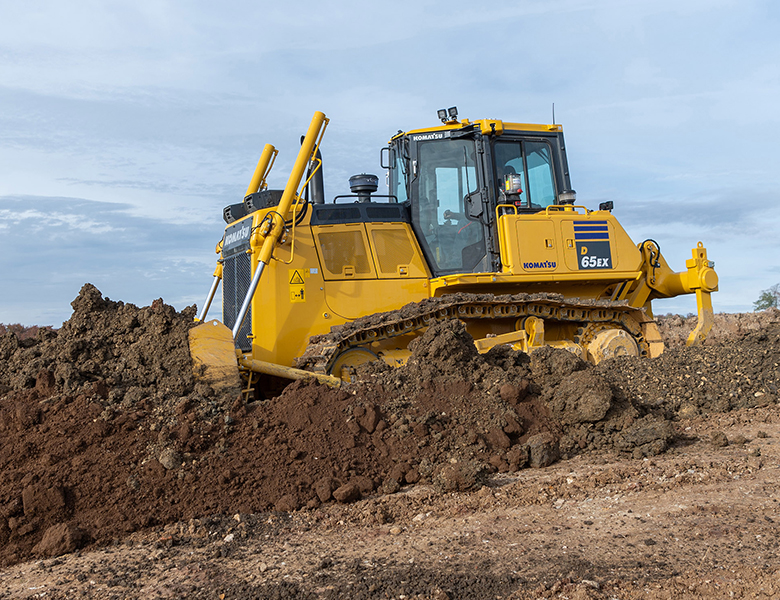
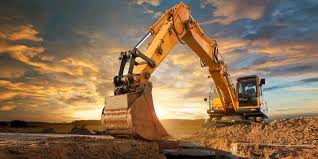
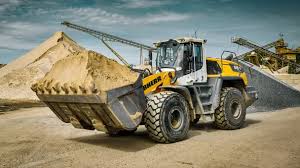
Related Machinery Categories
Review adjacent categories often evaluated with compactors during fleet planning:
On Aether, compactor listings are organized to support early research and equipment benchmarking. Teams can review model details, compare practical operating factors, and connect equipment decisions with monitoring needs such as utilization tracking, location history, engine-hour visibility, fuel monitoring, and maintenance planning. Asset owners can also use these pages as a starting point before requesting demos, comparing deployment options, or planning fleet digitization.
How to Compare Compactor Models
Choosing the right compactor depends on the application — soil compaction for earthworks, asphalt compaction for road surfacing, or finishing work in confined areas. Project teams should compare drum width, operating weight, engine power, vibration frequency, centrifugal force, and whether the machine suits the ground conditions and required compaction depth. A practical shortlist should also factor in machine type (soil compactor, tandem roller, or pneumatic roller), manoeuvrability, and compatibility with GPS and fuel monitoring systems.
For road construction, infrastructure projects, and earthworks, equipment selection becomes easier when specifications are reviewed alongside real operating data. Fleet managers can use telematics, engine-hour history, idle time, and fuel consumption patterns to assess whether a compactor is delivering productive passes, running efficiently, or sitting idle on site. This supports procurement planning, rental decisions, and maintenance scheduling with greater accuracy.
On Aether, compactor listings are organized to support early research and equipment benchmarking. Teams can review model details, compare practical operating factors, and connect equipment decisions with monitoring needs such as utilization tracking, location history, engine-hour visibility, fuel monitoring, and maintenance planning. Asset owners can also use these pages as a starting point before requesting demos, comparing deployment options, or planning fleet digitization.
- Compare key specifications such as drum width, engine power, and operating weight.
- Review compactor type — soil, tandem, or pneumatic — based on application requirements.
- Use tracking and fuel monitoring data to improve accountability and productivity across sites.