Real-time fuel monitoring system for fleets, gensets and construction vehicles
Track diesel level, refuelling, draining, fuel consumption, engine hours, idle time, KM travelled, location and geofence activity from one Aether dashboard. Built for Indian EPC, logistics, mining, fleet and site operations.
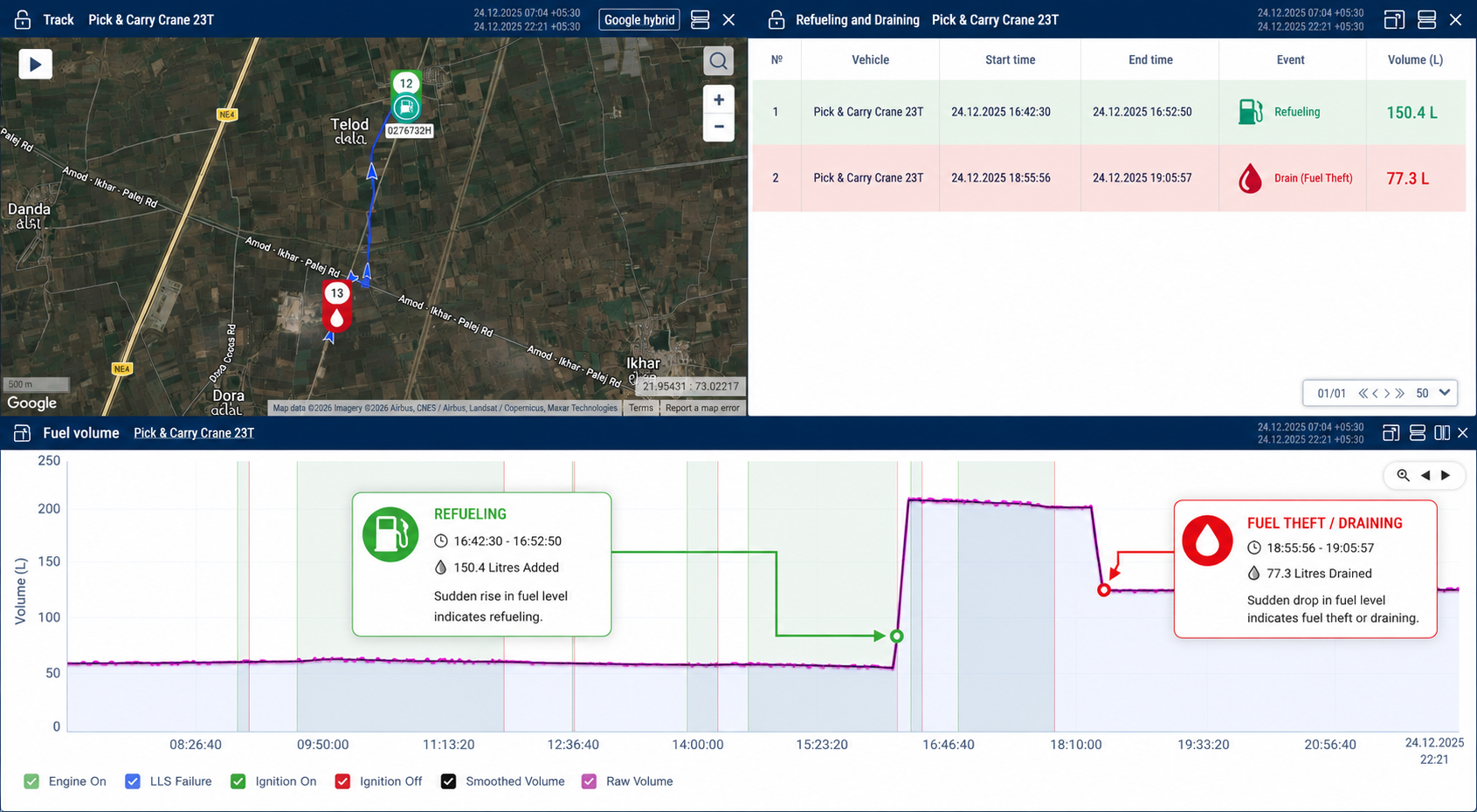
Fuel losses usually hide inside ordinary daily operations.
Aether focuses on the points where Indian fleets lose money: unverified refuelling, fuel drainage, excessive idling, mismatched manual logs, unauthorized movement, missed maintenance and poor visibility into how each vehicle actually works.
Fuel theft & drainage
Detect sudden fuel drops, suspicious tank-level changes and repeated small pilferage events with time, location and vehicle context.
Poor vehicle visibility
Know the vehicle location, speed, status, last reporting time, site zone and movement history without repeated calls to operators.
Manual log mismatch
Compare reported fuel, KM travelled, engine hours and running time against system-recorded data for stronger billing control.
Missed maintenance
Use kilometres travelled, engine operation hours and vehicle usage patterns to plan service and reduce unexpected downtime.
GPS + fuel sensor + BI verification in one operating layer.
Aether captures location, speed, ignition ON/OFF, fuel level, geofence entry/exit and engine operation data in real time.
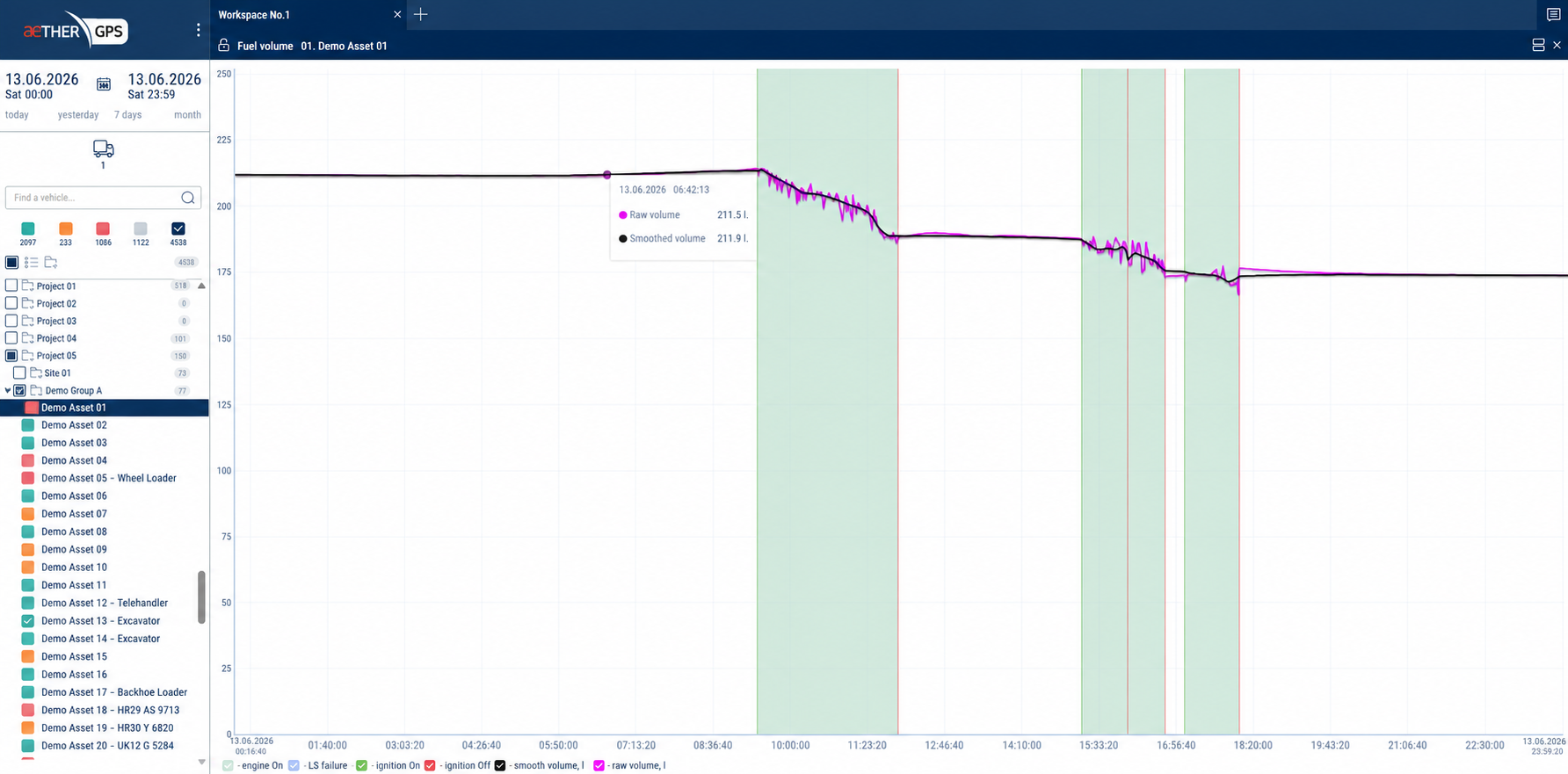
Track real-time fuel consumption
Monitor fuel usage while the engine runs, compare fuel burn with operation hours and verify refuelling events with time and estimated volume.
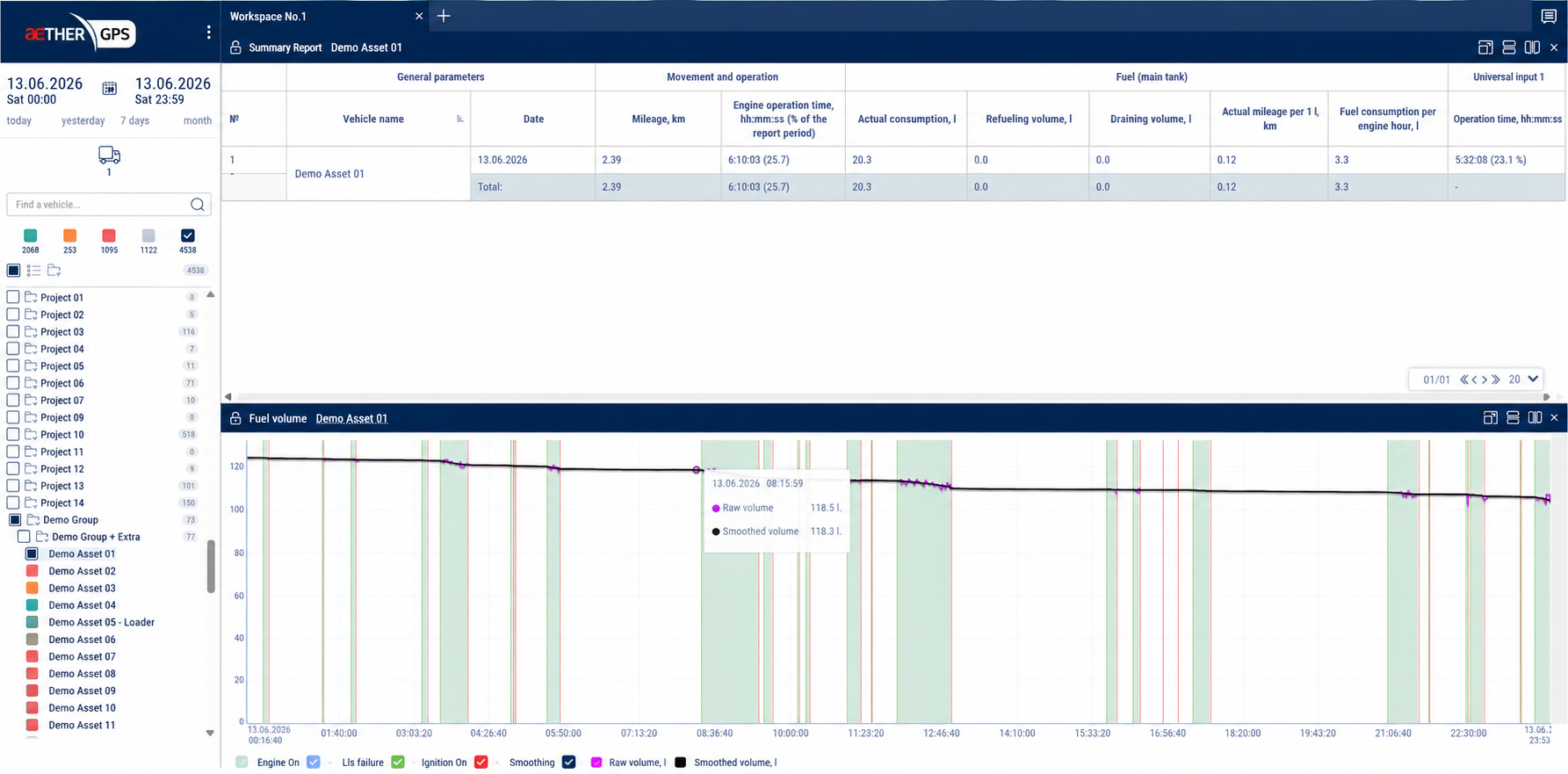
One report for fuel, movement and productivity
Bring together KM travelled, engine hours, refuelling volume, draining volume, mileage per KM and fuel per engine hour — everything needed to verify fuel bills and spot abnormal usage.
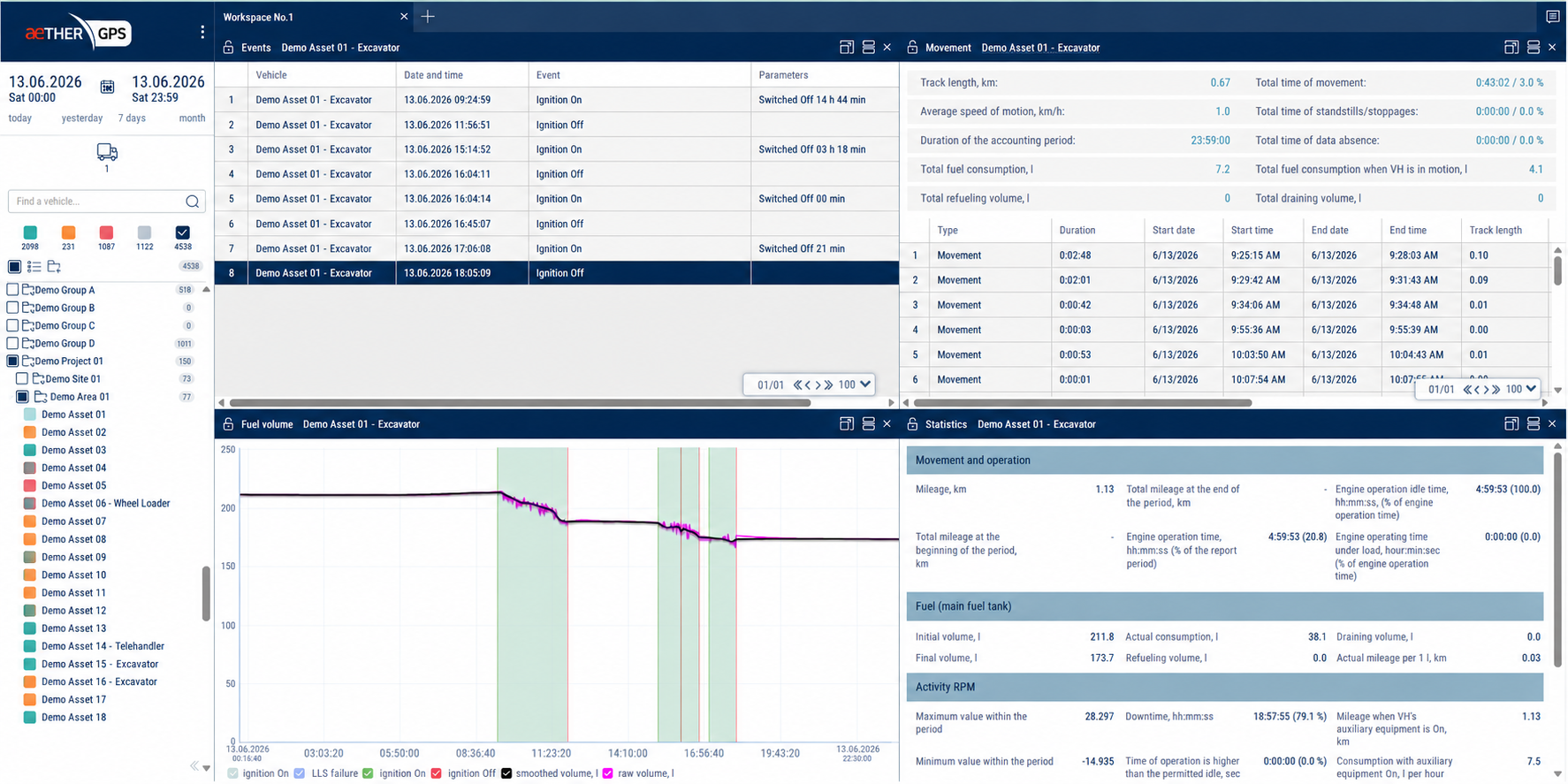
Deep operational visibility
Review ignition ON/OFF, runtime, idle time, vehicle usage history, unauthorized movement and site-level utilization across your entire fleet.
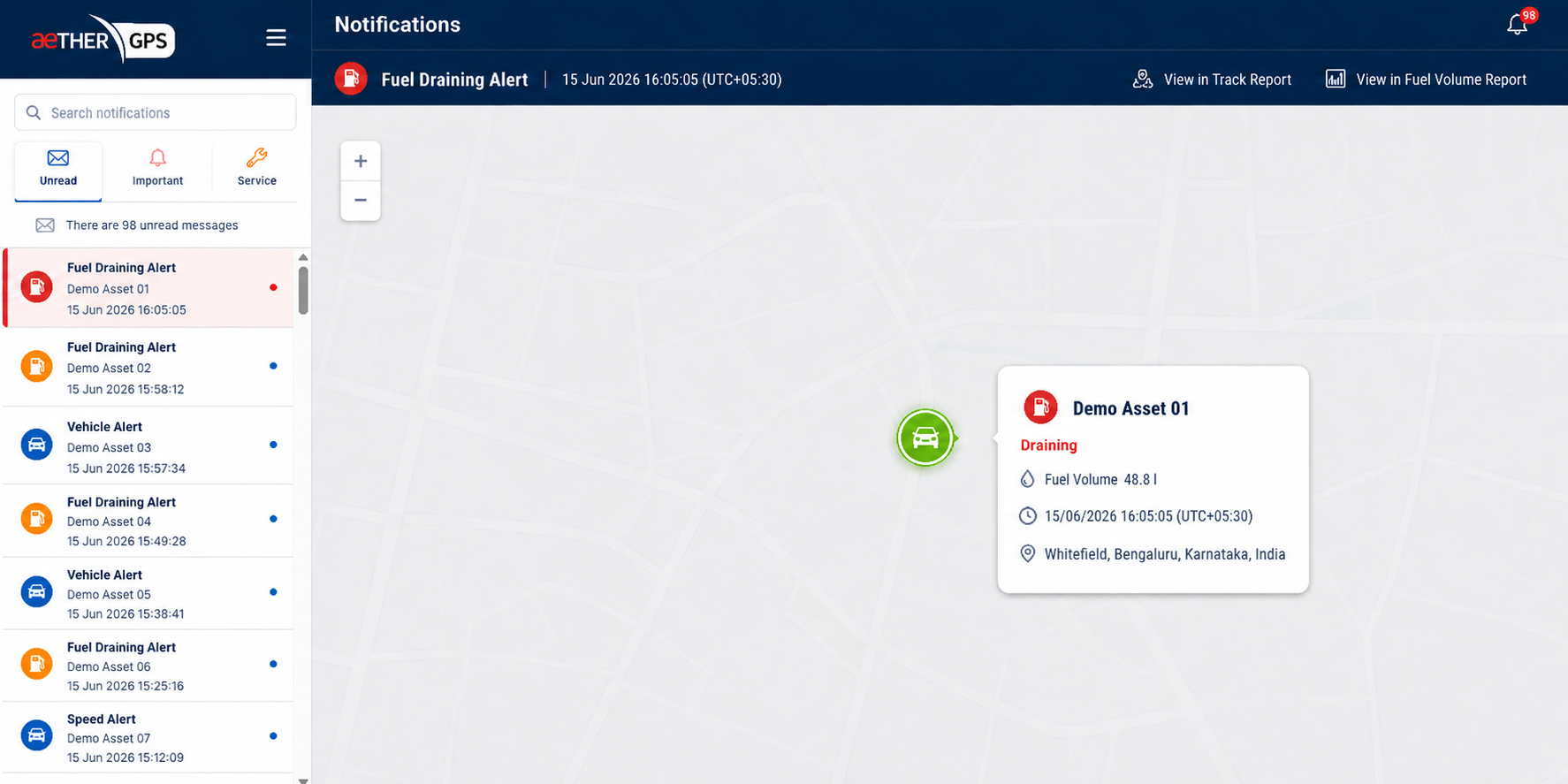
Stay ahead of fuel issues
Get alerts for sudden drainage, refilling mismatches, abnormal consumption spikes, low fuel and non-reporting devices — reviewed before escalation.
6 types of fuel draining Aether monitors and classifies
Not every fuel drop means the same thing. Aether's BI team classifies each draining event into one of six categories — so your site team knows exactly what happened, how much was lost, and what to do next.
R&D Draining
Fuel is drained soon after refuelling, before the vehicle starts working. The platform detects this through refuelling and draining checks. Common on sites where fuel is siphoned before shift start.
Manual Draining
Fuel is removed directly from the tank while the vehicle is parked or idle. Shows as a sharp drop in the fuel graph with engine off. May not be flagged automatically if the volume is small.
Return Pipe Draining
Fuel from the engine's return pipe is diverted into a container while the vehicle is running. Does not appear as a sudden drop — shows as abnormally high fuel consumption per engine hour.
UIT Draining
Fuel goes missing during a period when the sensor or device was offline. Quantity is estimated using last known level, logsheets and consumption norms — but the exact method cannot be confirmed.
Suspicious Activity
Fuel-level or usage pattern looks unusual, but supporting data is insufficient to confirm the draining type. Marked for closer monitoring in the next reporting period.
Planned Draining
Fuel is removed for a known purpose such as maintenance or tank cleaning. The P&M team confirms it in advance. Logged and closed — no financial loss is recorded against this event.
How much diesel is your fleet losing annually?
Enter your fleet details to estimate annual fuel losses from theft, idling, operator inefficiency and fuelling mismatches.
Designed for readable reports, faster action and site accountability.
Identify tampering, fuel drainage and mismatches with Aether-verified draining reports and refuelling verification.
Reduce fuel wastage by monitoring idle time, fuel consumption, engine running time and vehicle activity.
Use fuel, KM, hours and location data to validate vendor bills, operator logs and site records.
Track zone entry, exit, duration and engine activity inside work areas for stronger team accountability.
Generate daily, weekly, monthly or yearly reports for refuelling, draining, consumption and reconciliation.
Monitor fleet, fuel and vehicle performance across projects from a single cloud-based SaaS platform.
Alerts do not win confrontations. Proof does.
On EPC and construction sites, every fuel alert is challenged. Operators deny it. Vendors dispute it. Without verified evidence, teams stop acting on alerts altogether. Aether turns raw sensor alerts into BI-reviewed, evidence-backed reports your site can enforce.
Alerts that get disputed
Evidence your site can enforce
Industrial devices selected for Indian field conditions.
Aether integrates fuel sensors, GPS devices and SaaS reporting so fuel movement can be connected with vehicle location, ignition, speed, engine hours and site activity.
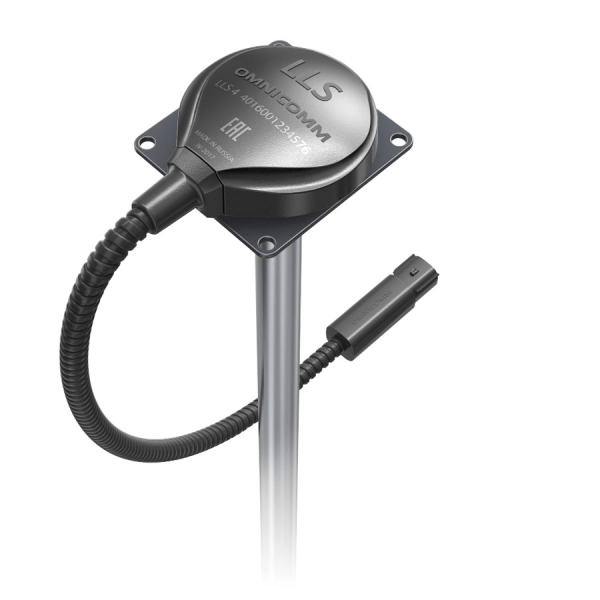
Omnicomm LLS 4 Fuel Sensor
- Fuel level measurement for tank monitoring
- Sensor length customized to tank depth
- Installed and calibrated for each vehicle

Teltonika FMB125
- 2G connectivity option
- Location, ignition and fuel sensor inputs
- Useful for fleet and construction operations

Teltonika FMC125
- 4G connectivity option
- Designed for wider network availability
- Supports real-time data transmission
Step-by-step fuel sensor installation process for construction and mining vehicles.
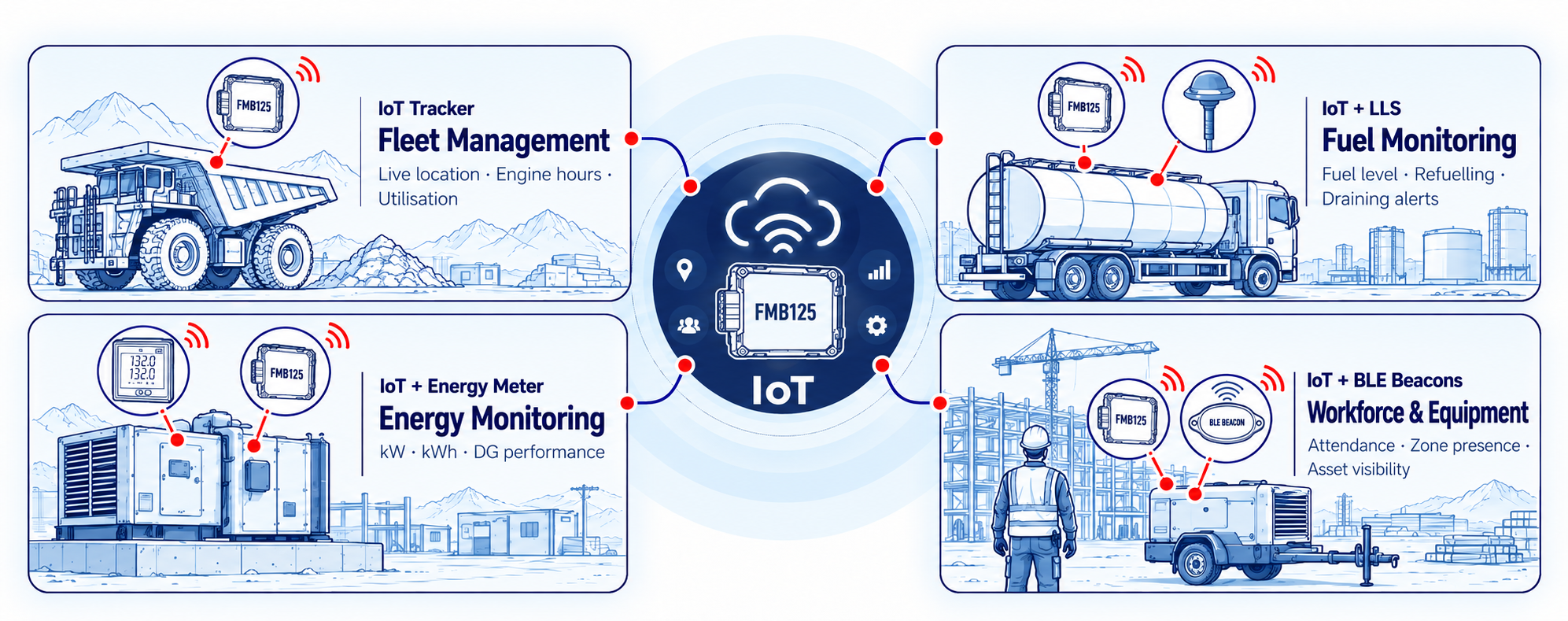
One IoT device. A different sensor for each question.
The tracker is the base. Add sensors as you need them.
- IoT trackerWhere a machine is, engine hours, idle time
- + LLS fuel sensorFuel added, fuel used and unusual drops
- + energy meterDG output against the diesel it burns
- + Bluetooth tagsWho was detected in each work zone
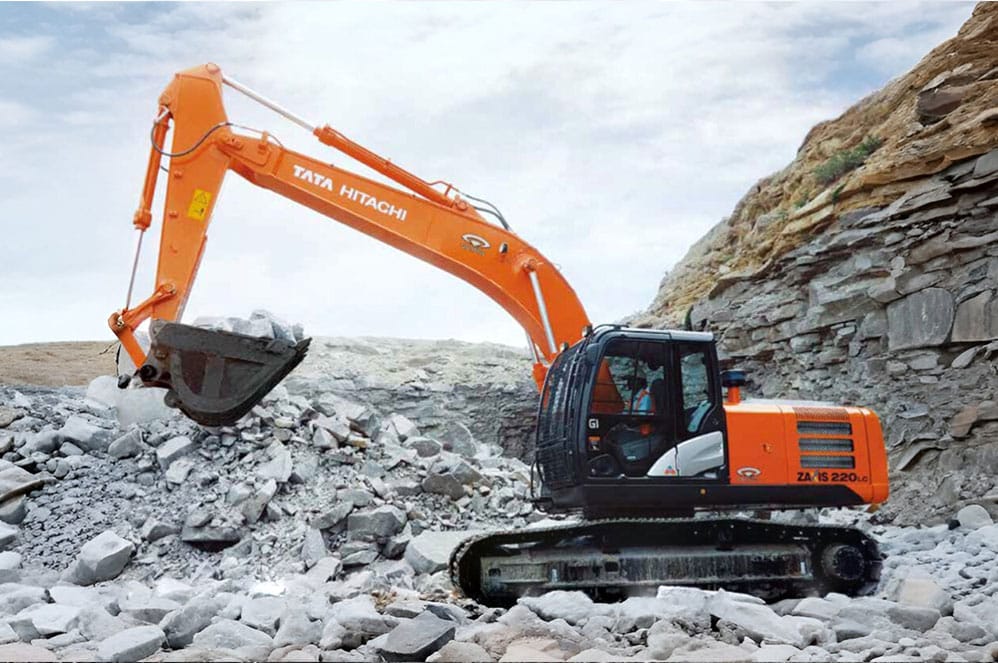
Fuel monitoring on every vehicle type, in every field condition.
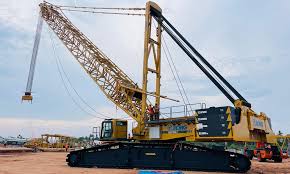
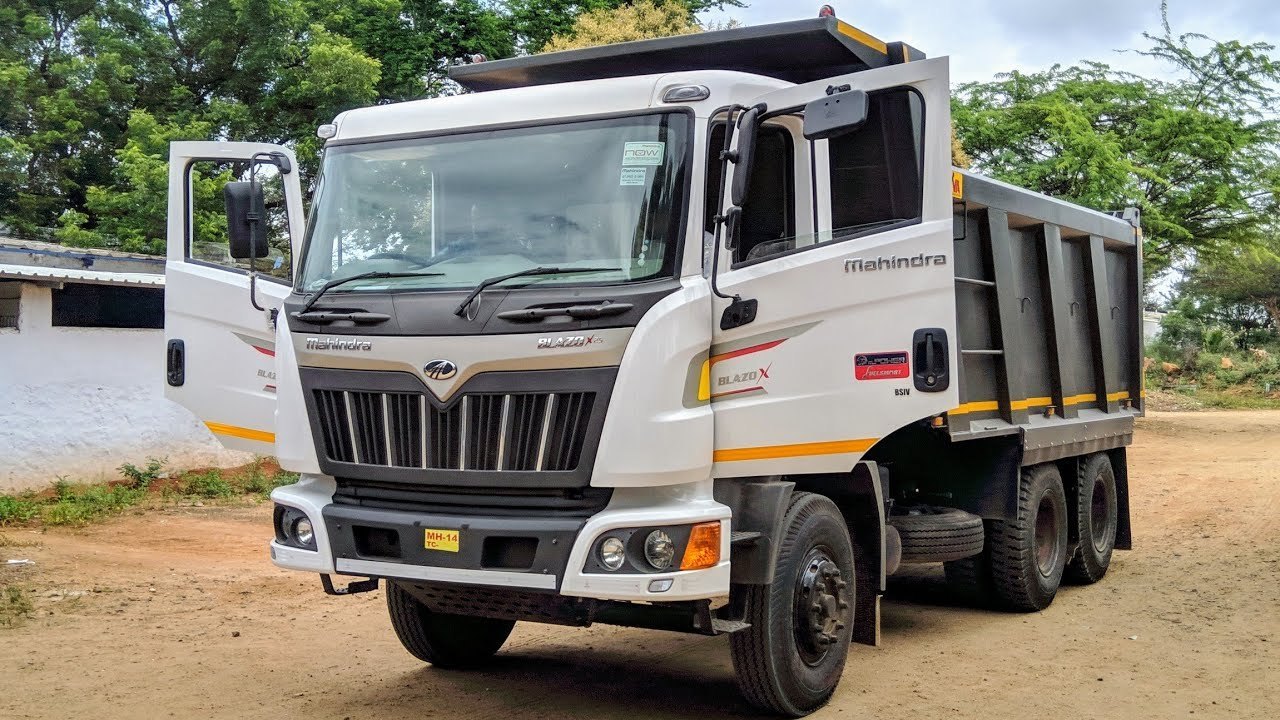
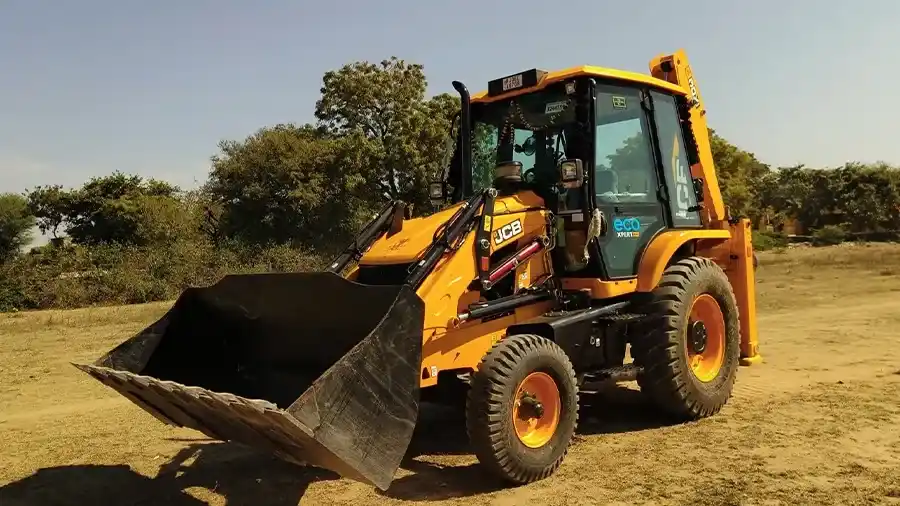
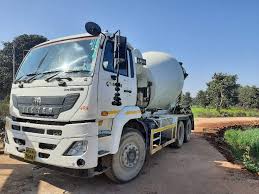
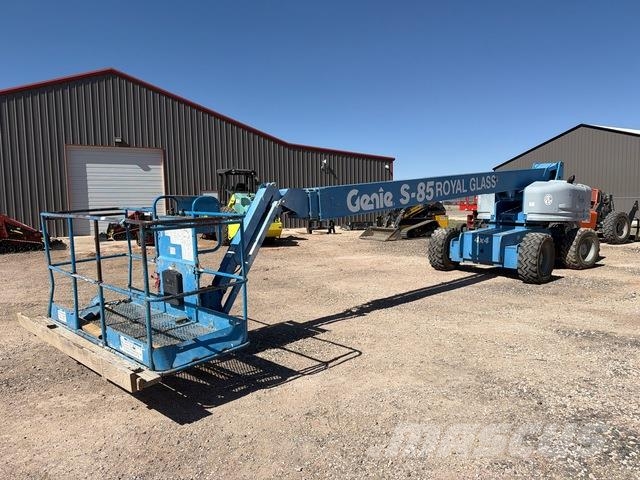
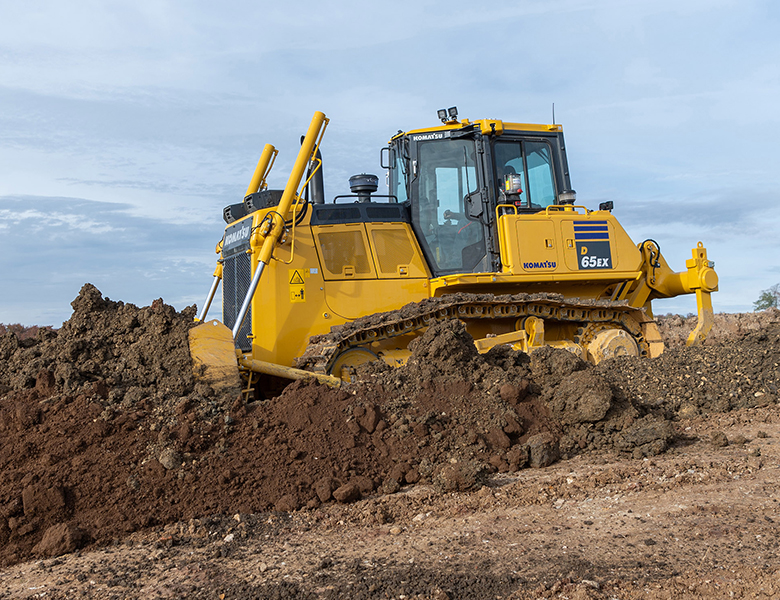
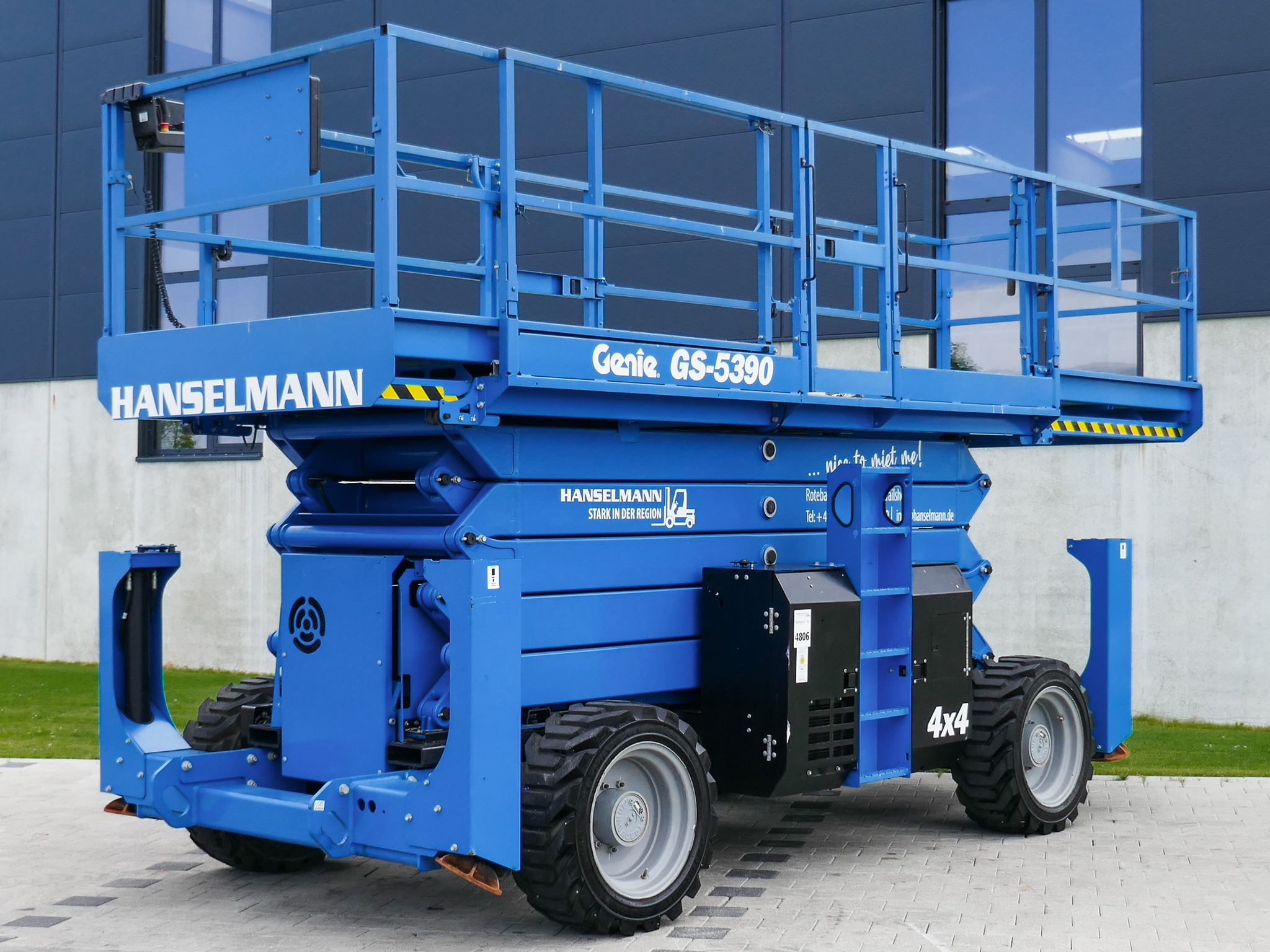
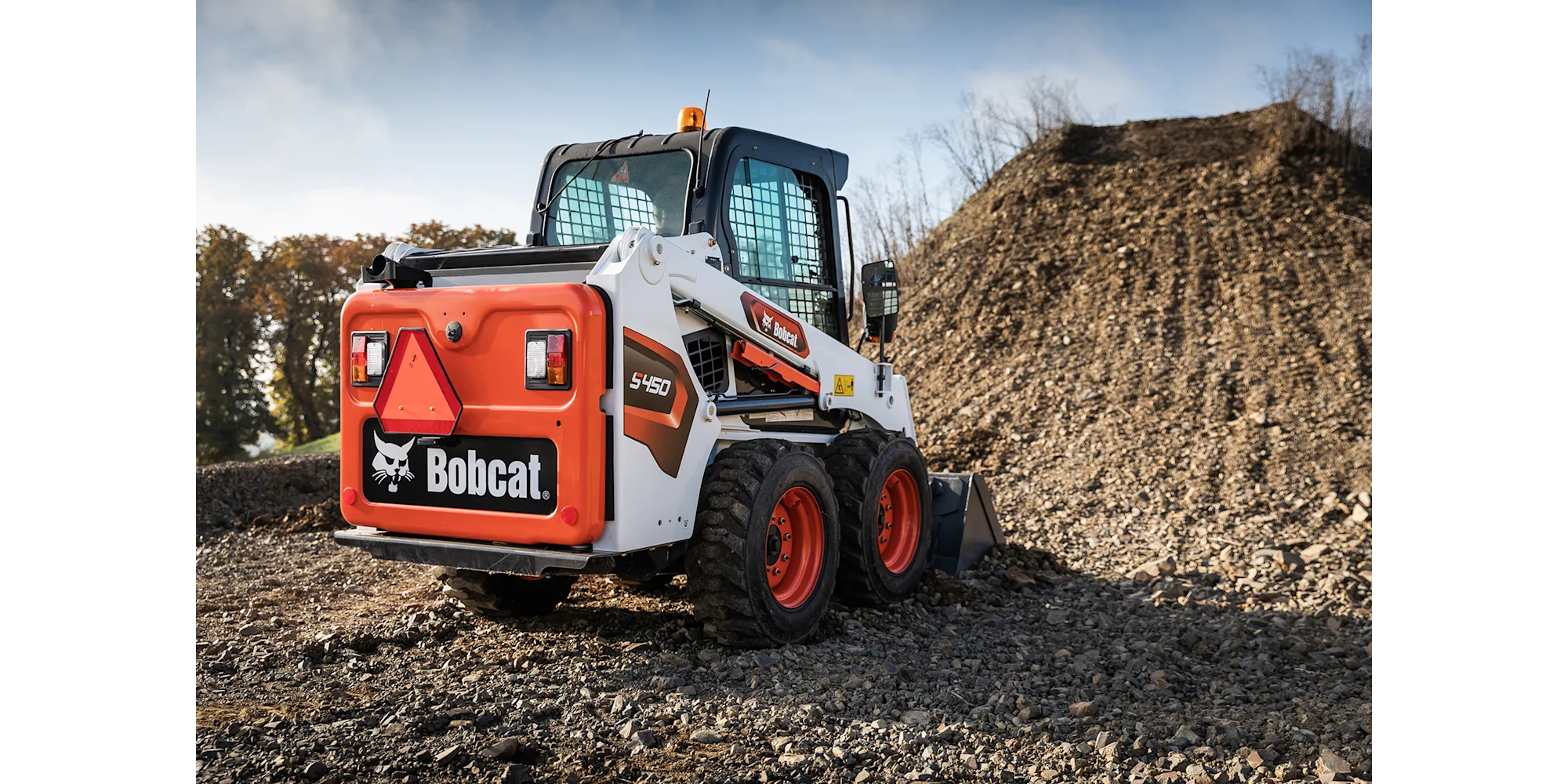
Aether has deployed fuel sensors and GPS tracking across construction equipment, cranes, tippers, loaders, gensets, service vehicles and multiple site vehicle categories.
Field-verified results from active projects.
How Aether delivered fuel visibility and accountability on some of India's most complex infrastructure and fleet operations.
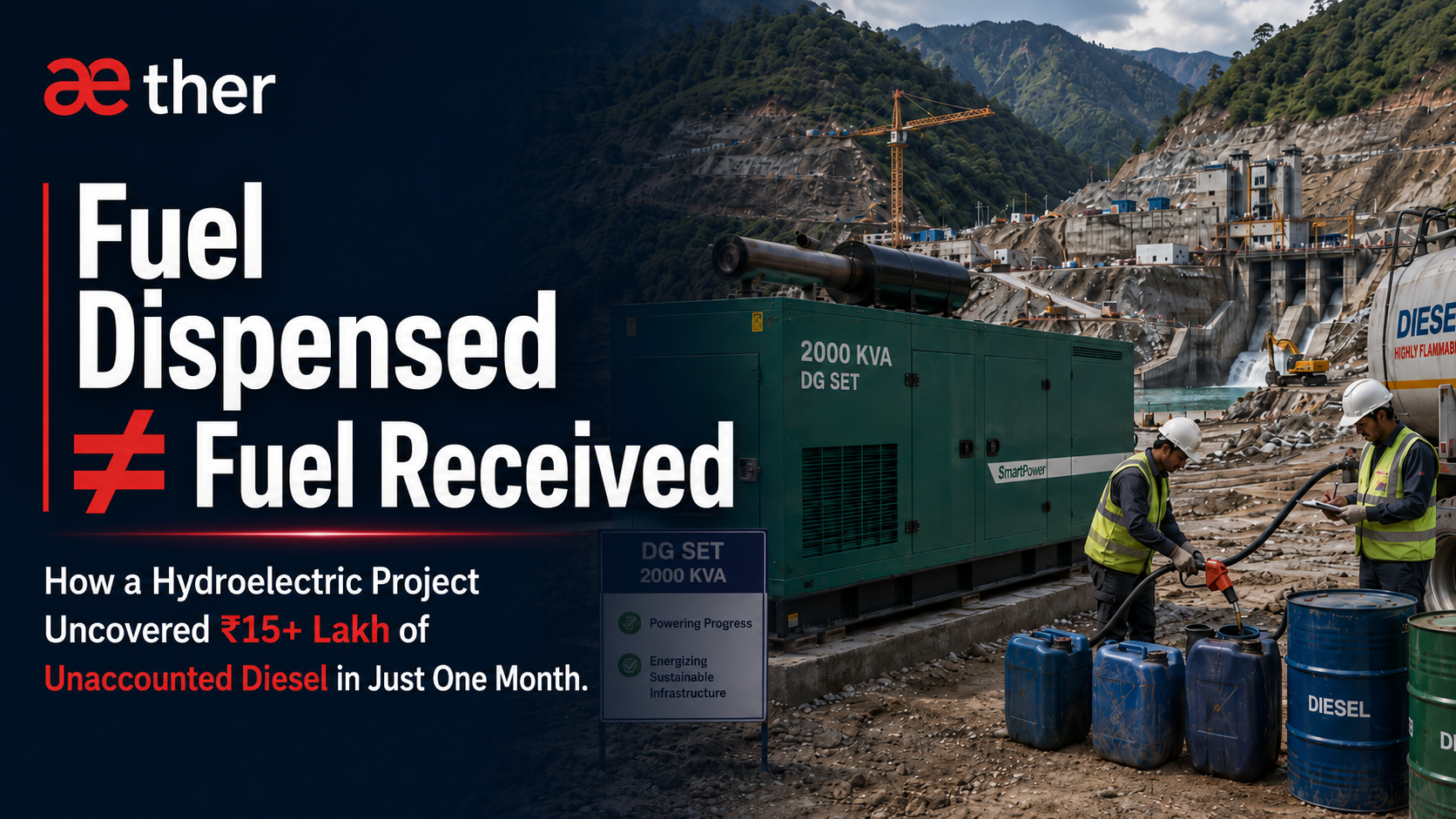
Hydroelectric Project Refueling Fraud
Closing the gap between dispensed and received diesel on a hydroelectric construction project.
Read case study →
Transit Mixer Fuel Optimization
From fuel loss to fuel control — reducing diesel waste on a metro construction fleet of transit mixers.
Read case study →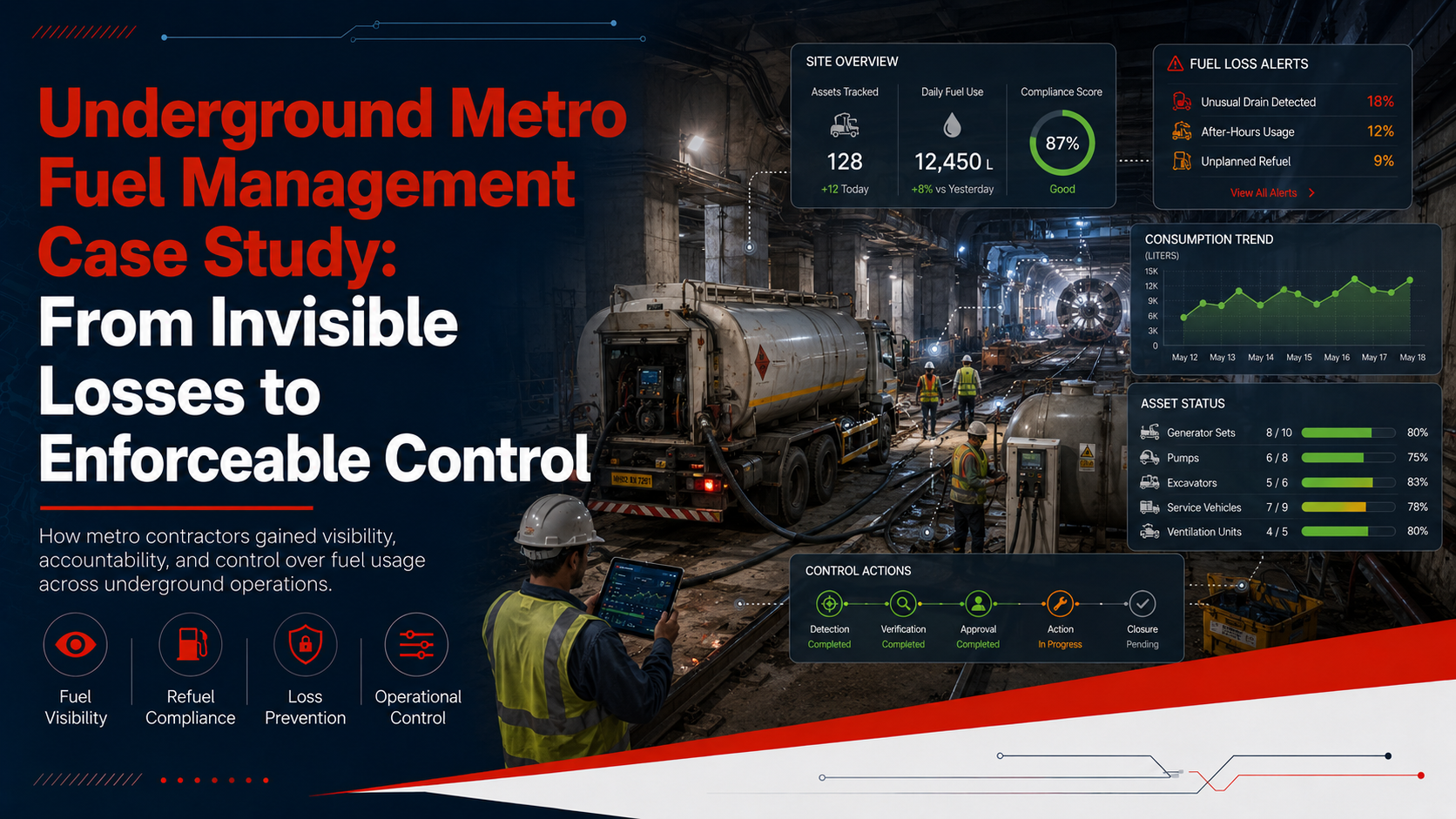
Underground Metro Fuel Management
From invisible losses to enforceable control — fuel accountability in an underground metro project.
Read case study →Answers for fleet, site and P&M teams.
Common questions from project managers, plant heads and fleet supervisors before they deploy.
A fuel monitoring system connects a calibrated fuel-level sensor in the vehicle's tank to a GPS device and a cloud platform. It continuously records fuel level, refuelling events, draining events, consumption per hour, idle time, engine hours and vehicle location — and presents them in readable reports your site team can act on.
The Omnicomm LLS 4 achieves ±1–2% measurement accuracy after proper tank calibration. Accuracy depends on correct installation depth, tank geometry and the number of calibration points used. Aether follows a structured calibration process to maximise reading precision for each individual tank shape.
Yes. The system flags sudden fuel level drops, refuelling vs drain mismatches and abnormal consumption patterns. Aether's BI team then manually reviews each flagged event and classifies it as R&D draining, manual draining, return pipe draining, UIT draining, suspicious activity or planned draining — so you receive evidence-backed reports, not just alerts.
Yes. Aether has deployed on excavators, cranes, tippers, backhoe loaders, wheel loaders, transit mixers, boom lifts, dozers, diesel gensets and site vehicles. Any vehicle with a diesel tank of more than 6 inches in depth can be fitted with the sensor. Engine hours and idle time are tracked alongside fuel for construction equipment where distance is less relevant.
Installation and basic calibration typically take 1.5 to 2 hours per vehicle. This covers tank preparation, sensor placement, GPS device wiring and initial IoT configuration. Full calibration accuracy improves over the first few days as more refuelling data points are recorded. Aether handles onsite installation across project locations.
The platform includes: Summary report (fuel + movement + productivity), Fuel graph (level over time), Refuelling events (volume, time, location), Draining events (classified by type), Operational insights (running vs idle, engine hours), Alerts (theft, tampering, low fuel), and Consolidation reports for billing and contractor accountability.
The platform logs any communication gaps as UIT (Unavailable for Inspection Time) periods. During these windows, fuel loss is estimated using last-known fuel level, logsheets and consumption norms. Tampering with the device or sensor is also flagged as an alert. The BI team reviews UIT events and documents the estimated loss separately so your records remain complete.
Aether supports data exports in Excel and CSV formats that can be imported into most ERP, accounting and site management tools. API-based integrations are available for enterprise deployments. Talk to our team about your specific stack and we can confirm compatibility before deployment.
Stop losing diesel. Start verifying every litre.
Live platform walkthrough or a pilot on your highest-operation vehicles — no commitment required.