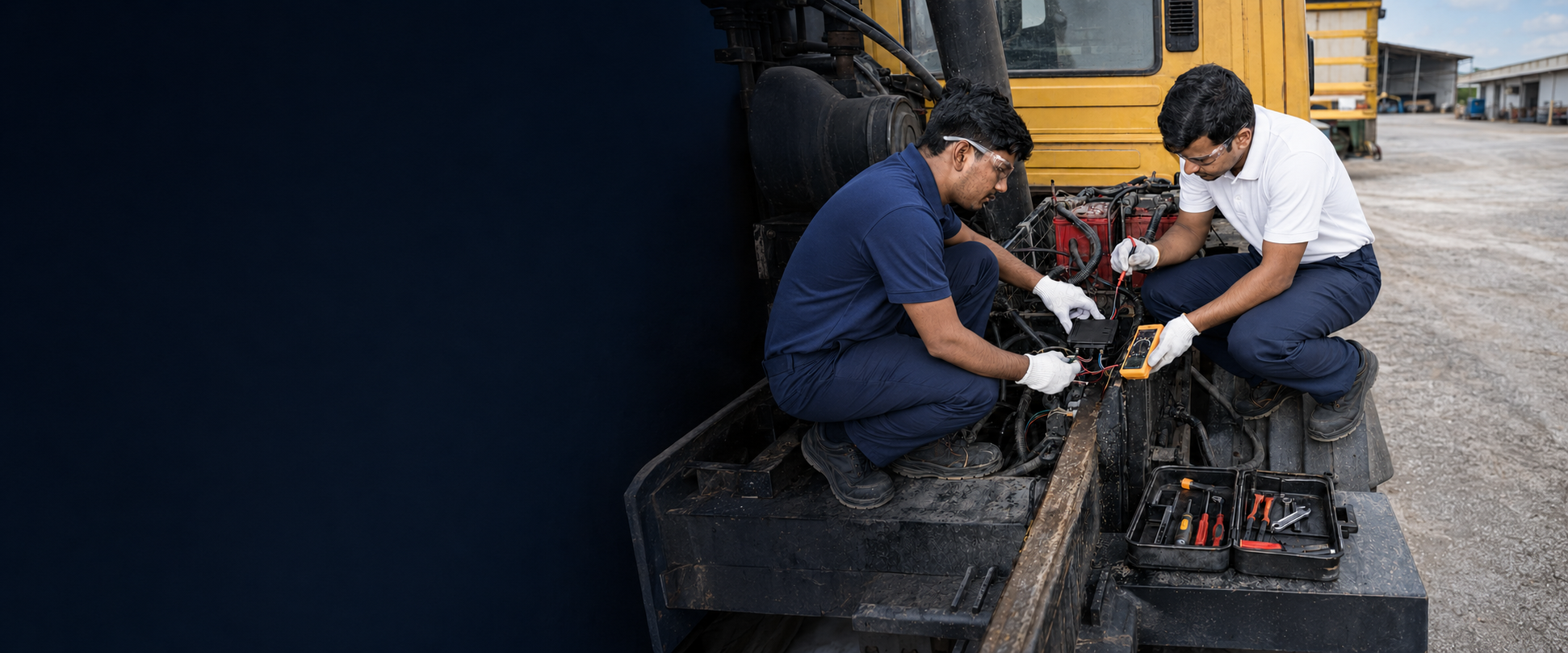
Repair & Maintenance That Keeps Every Sensor Reporting
Aether's Annual Maintenance Contract keeps GPS trackers, fuel sensors, and energy meters accurate across their full lifecycle. The same field team that installed your hardware handles preventive checks, recalibration, and fault resolution — every visit closed out with photo and live portal evidence, not a verbal assurance.
Why it matters
Every hardware fault is tracked to verified Resolution
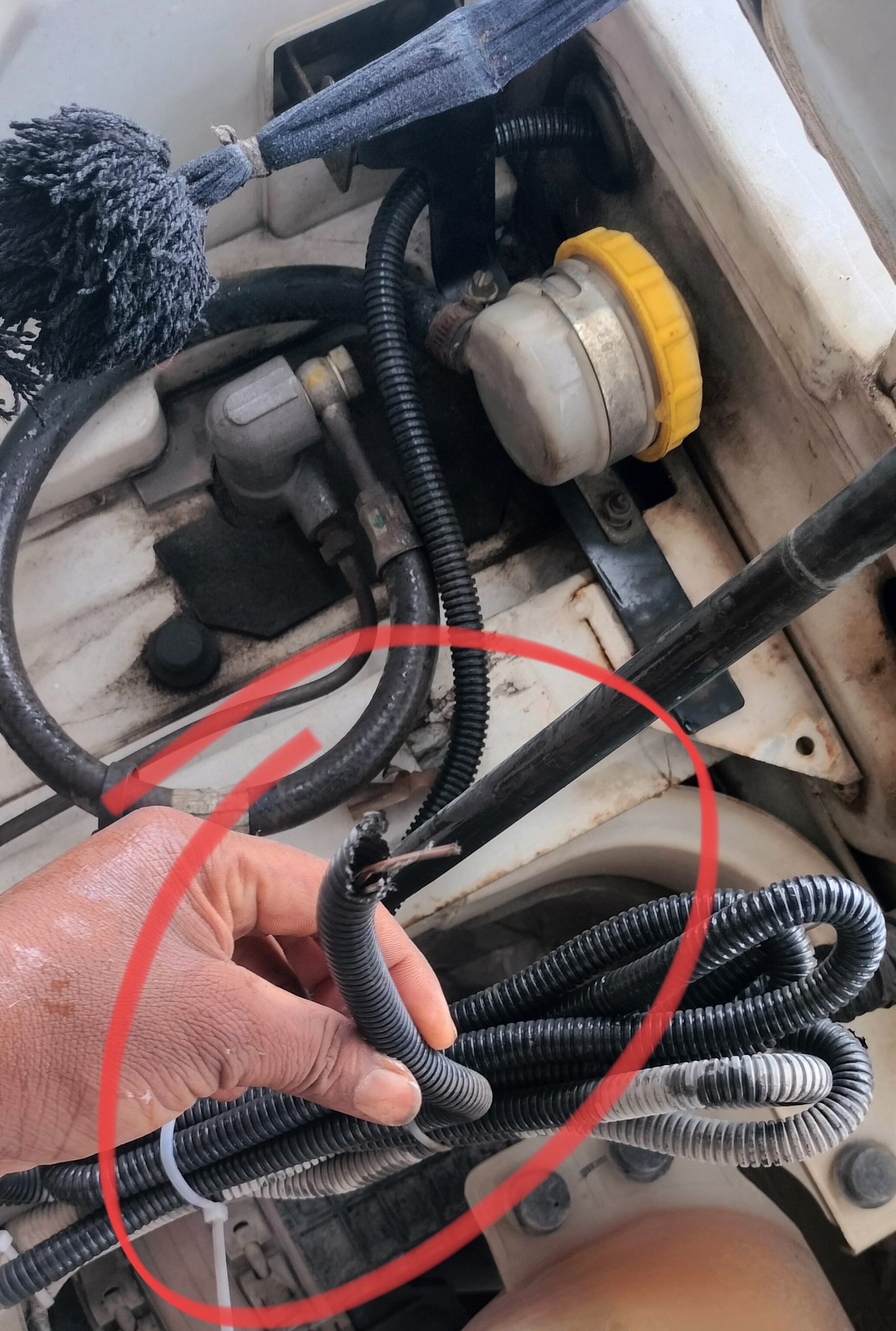
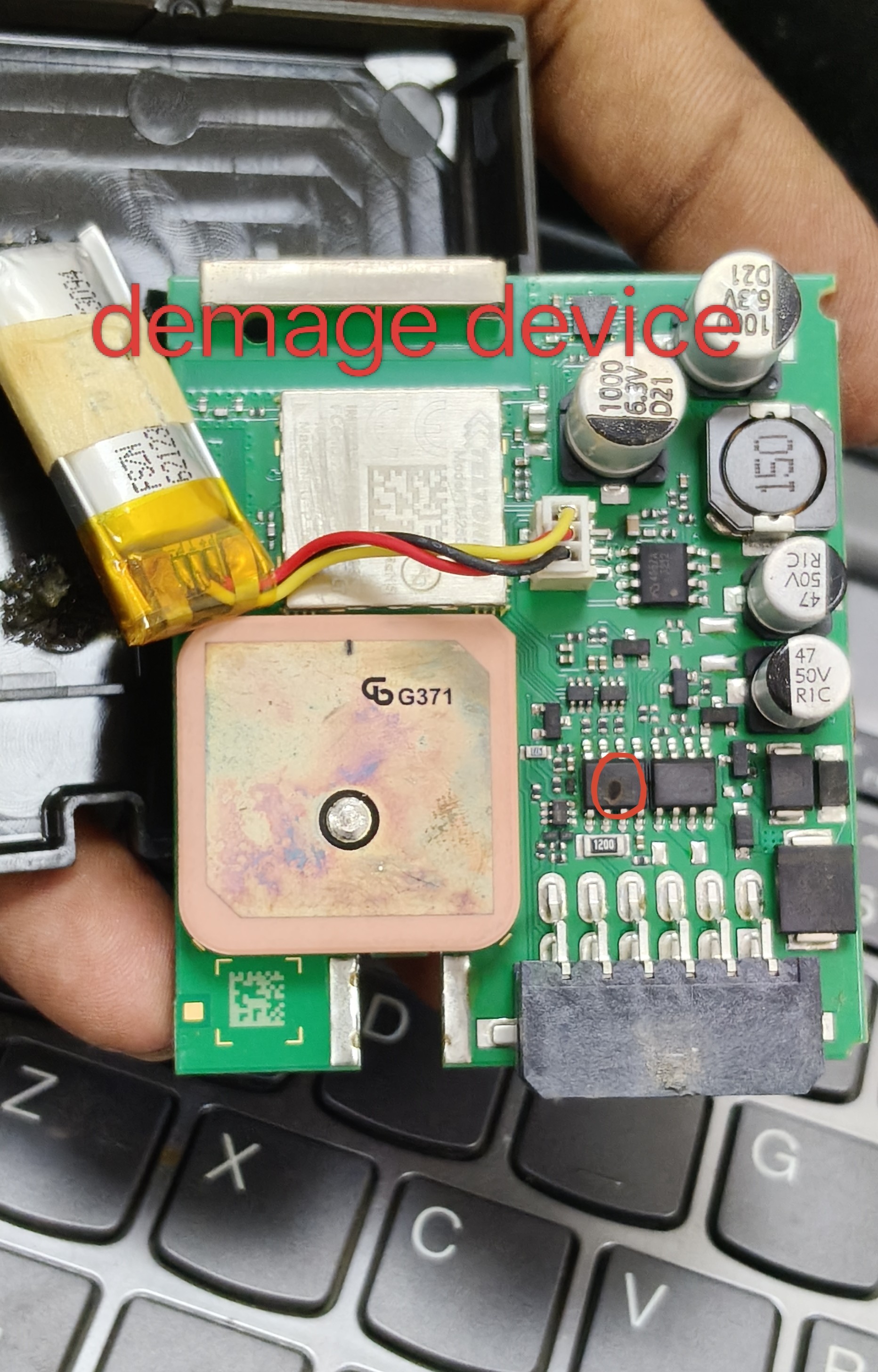
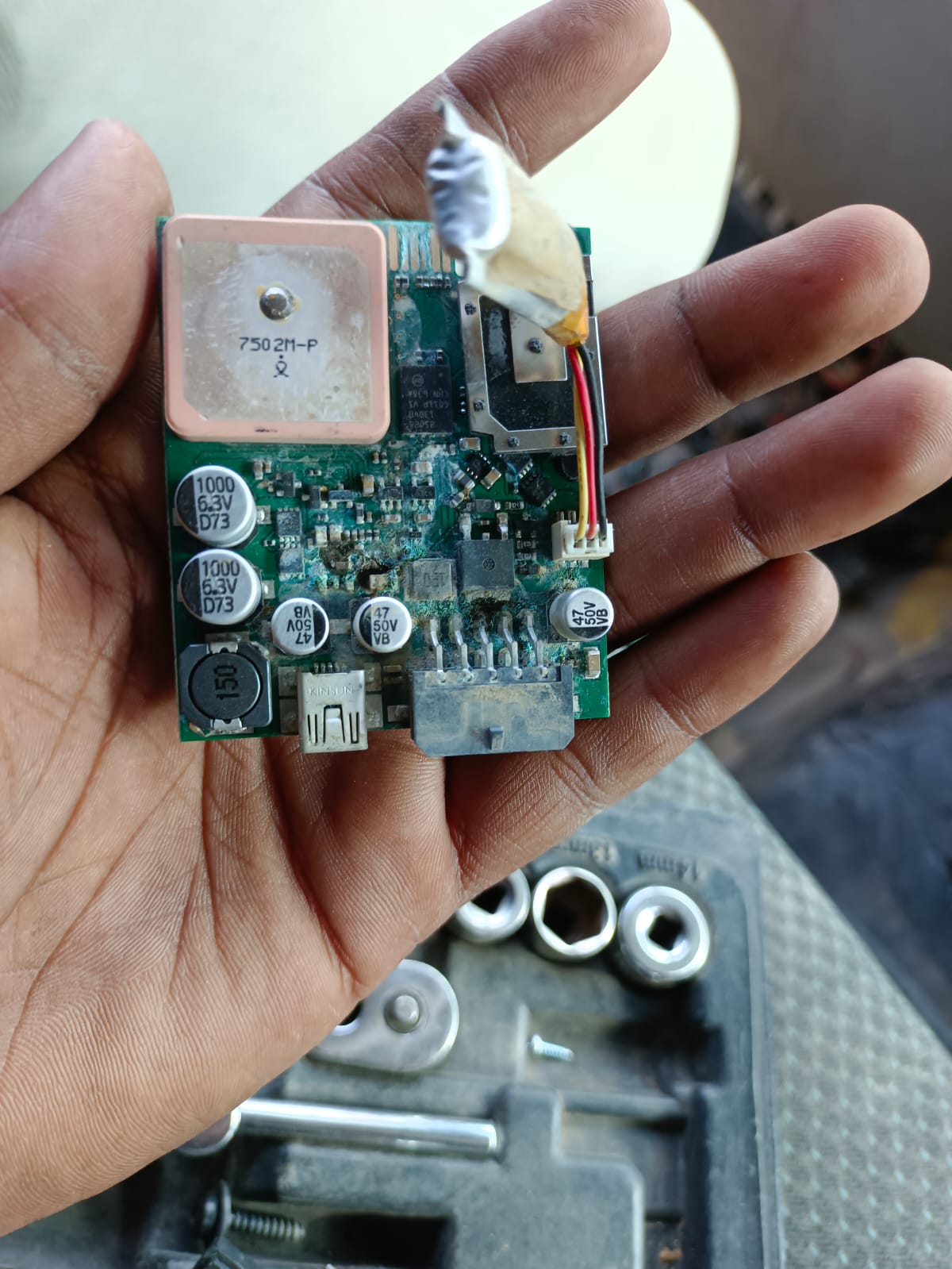
Wiring tampering, hardware damage, GSM dropouts, and sensor drift don't just break a device — they break the fleet, fuel, and safety data your team relies on to make decisions. Aether's Repair & Maintenance service treats every hardware fault as an asset-level Service Request (SR): created against the site and asset code, classified by fault category, diagnosed on-site, repaired, and verified against the live portal before closure.
What we handle
Every fault is classified before it's fixed
Aether's field team classifies each fault by its actual cause, so nothing gets resolved as a vague "device issue" — every repair is billed, warrantied, and reported against a specific, known problem.
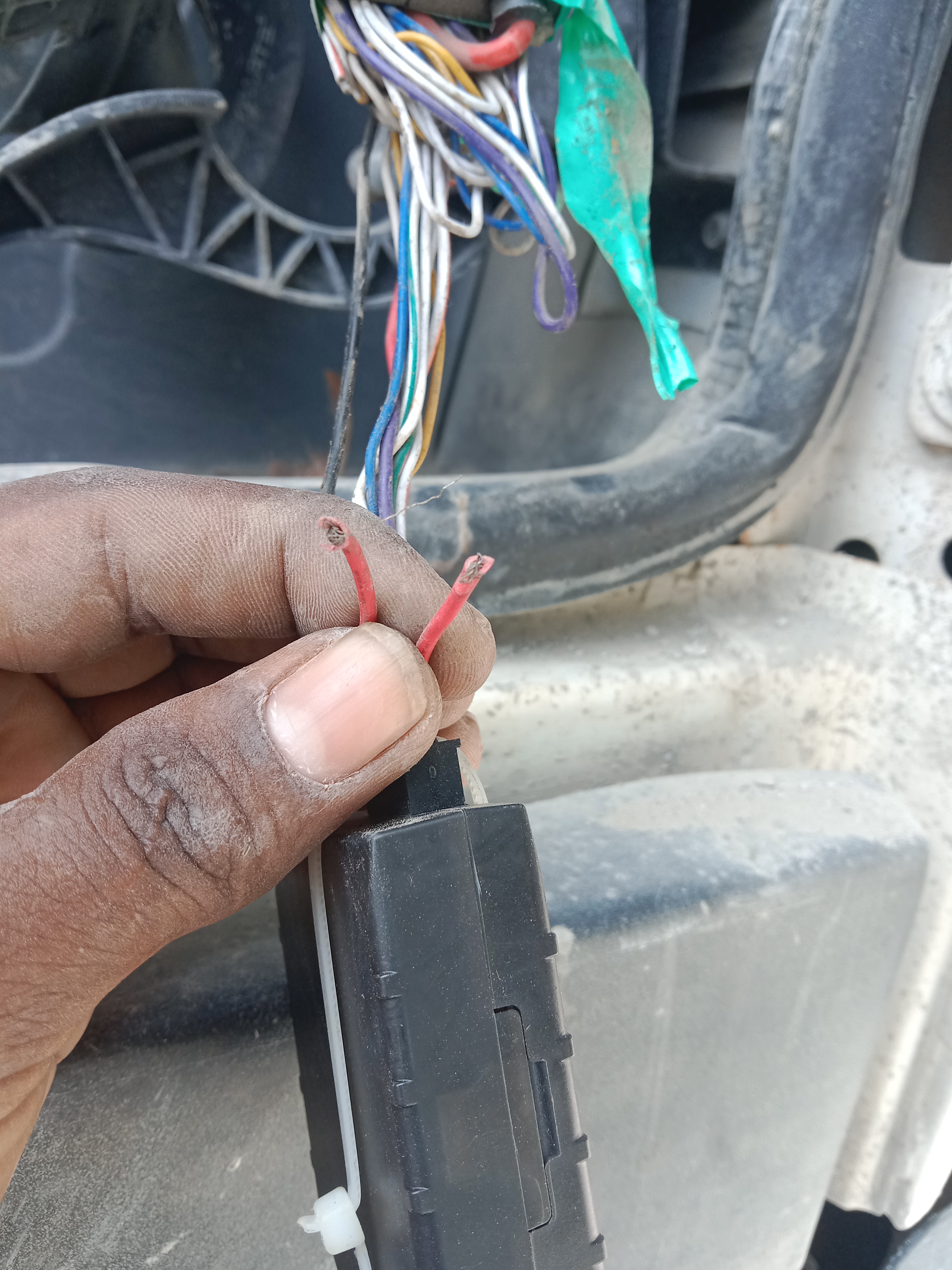
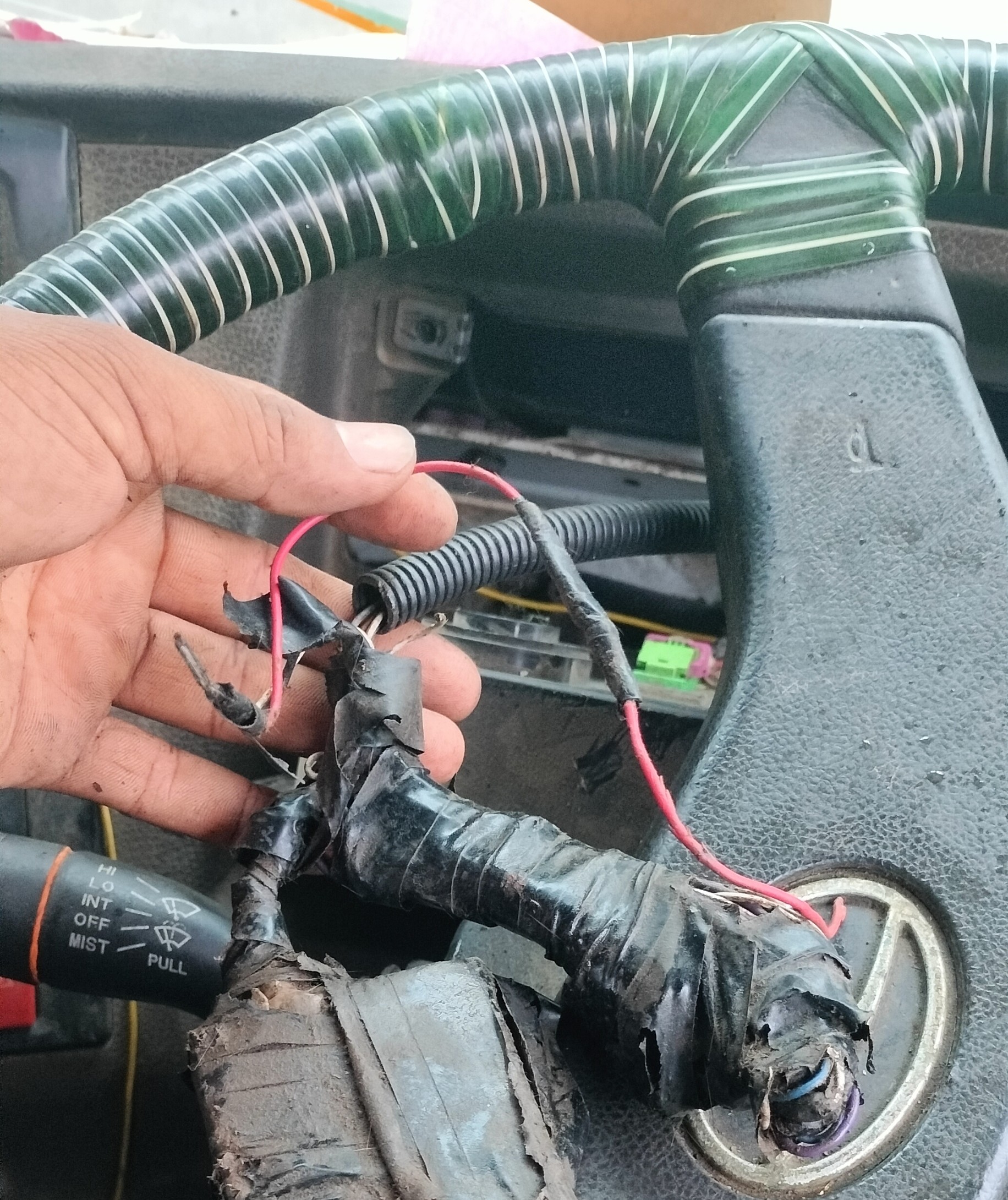
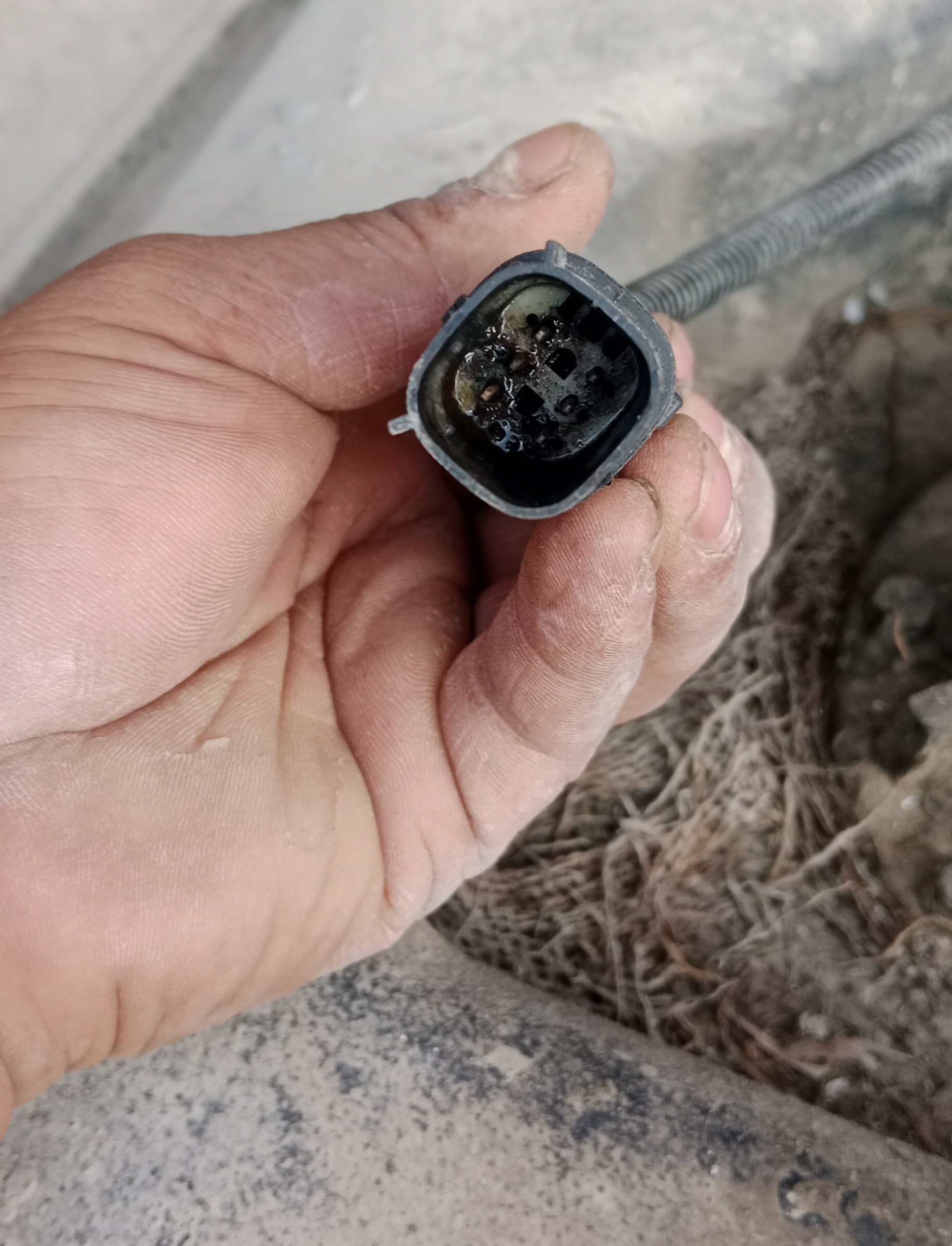
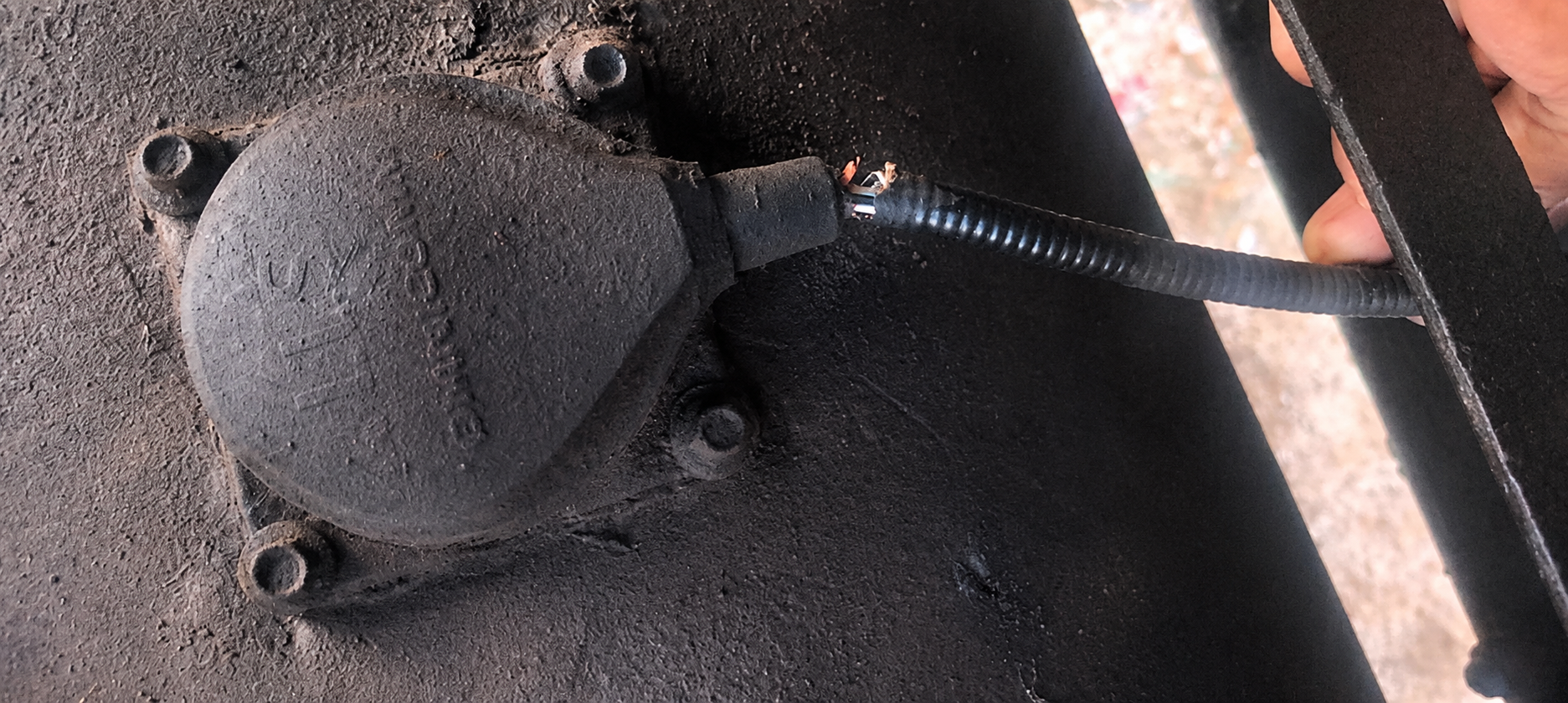
Wiring & Tampering
Manual wire tampering, hardware damage, operational wiring faults, and meter/odometer tampering — the leading cause of lost reporting on live sites.
Connectivity & GSM
GSM dropouts, gateway/GSM modem faults, and server-side configuration issues that stop data from reaching the portal at all.
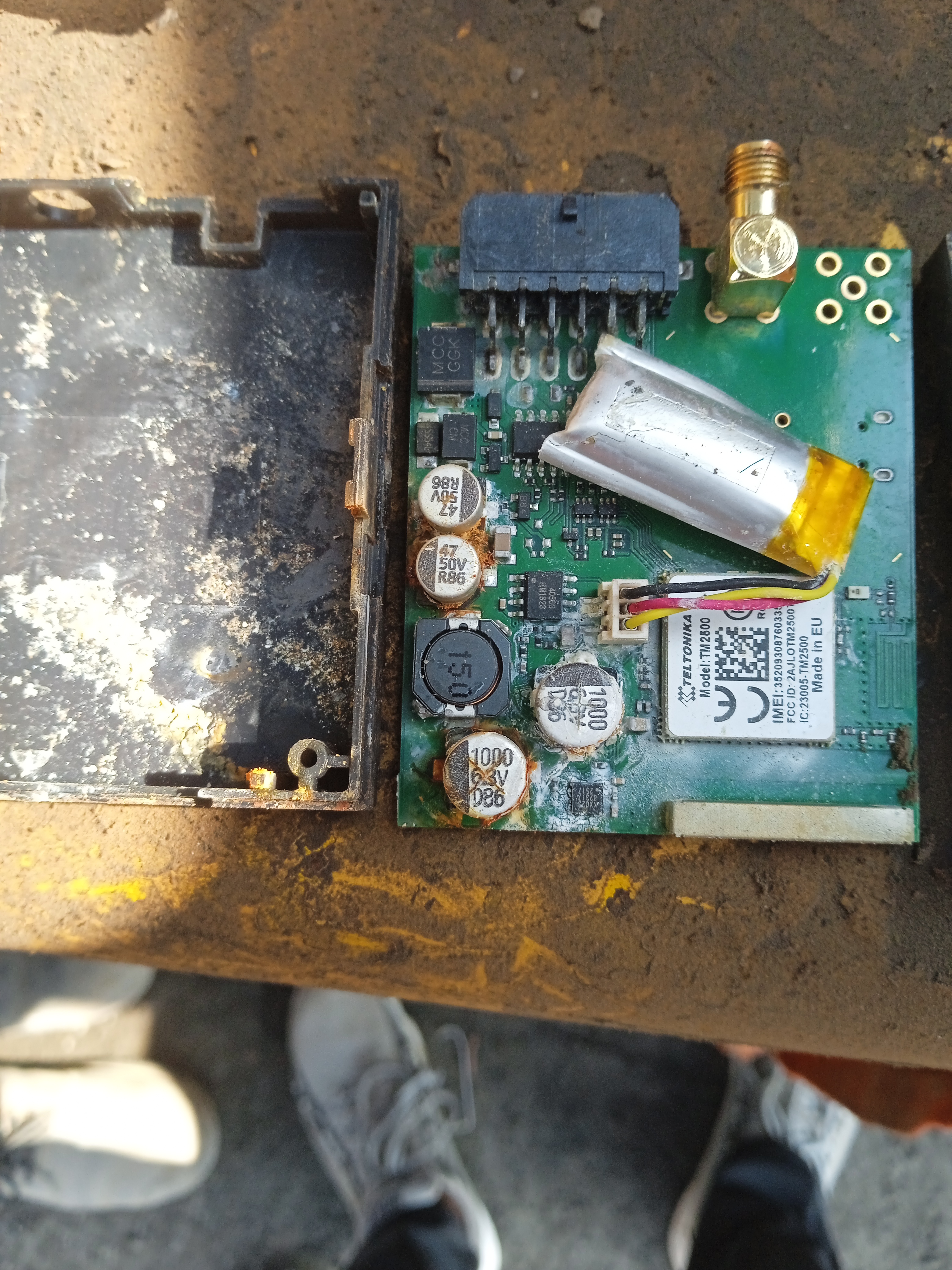
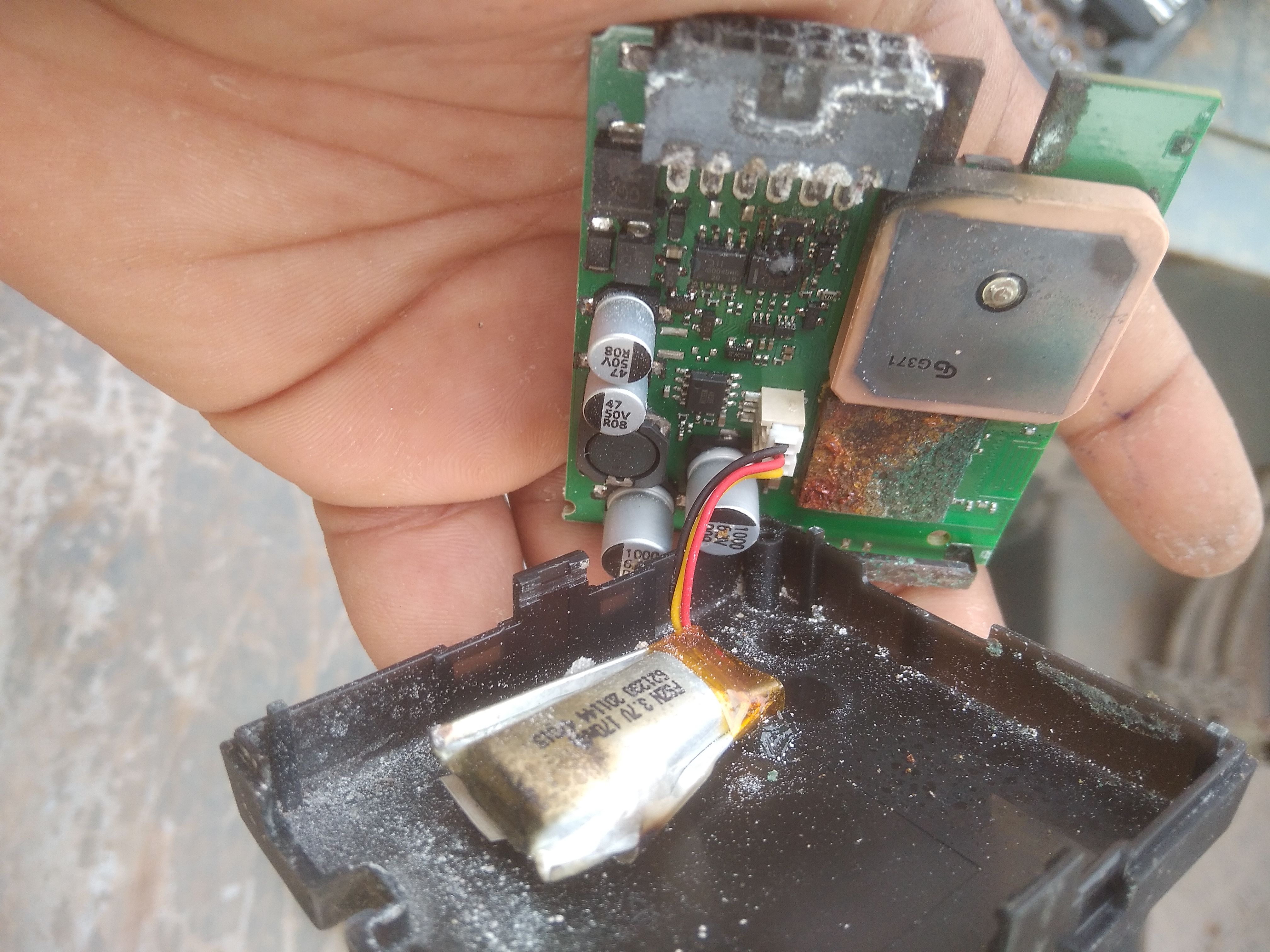
Device & Sensor Malfunction
Technical and operational hardware malfunctions and configuration faults on the GPS unit, fuel sensor, or energy meter itself.
Data Quality Flags
GPS, engine, and fuel data quality issues caught before they distort fleet, safety, or fuel reporting downstream.
AMC coverage
What your Annual Maintenance Contract covers
Preventive care, device health checks, and lifecycle support delivered by the same team that installed your hardware.
Hardware Inspection
Physical device check, wiring integrity, and mounting stability verified on every scheduled visit.
- Full wiring and connector inspection
- Mounting and enclosure stability check
Fuel Sensor Recalibration
LLS sensor re-profiled against current tank geometry to maintain reading accuracy over time.
- Tank-geometry re-profiling
- Blind-area and threshold re-verification
Connectivity & Portal Health
SIM status, data upload frequency, and portal event accuracy reviewed on every maintenance cycle.
- SIM and network signal check
- Upload frequency and portal event review
Asset Lifecycle Changes
Asset movement, replacement, idle status, and code changes are updated so hardware records stay aligned with site operations.
- Asset code and assignment updates
- Dehired, replaced, or idled asset checks
Dehire & Reinstallation
When an asset is dehired, Aether safely removes the installed hardware, hands it over to the site team, and supports reinstallation when the hardware is assigned to another vehicle.
- Safe removal and handover of GPS units, fuel sensors, wiring, and accessories
- Reinstallation support for another vehicle or relocated asset
End-to-end process
How a Repair Service Request Gets Resolved
From a flagged fault to a verified SR resolution — six steps every field engineer follows on every visit.
SR Raised & Logged
A Service Request is raised by the site team and logged with site, asset code, device type and issue before a field engineer is assigned.
Site Visit & Diagnosis
A field engineer inspects the hardware on-site — warranty, wiring, mounting, connections — and runs device-level diagnostics with the configurator tool.
Evidence Capture
Before any repair, the engineer photographs the fault, captures the config screen and pulls the portal graph to document the “before” state.
Repair Action
Repairs are carried out on-site — from a simple reconnection to a full hardware, sensor, cable, SIM or firmware replacement.
Verification
The repaired asset is checked live on the Aether portal before the engineer leaves; the SR is updated with the action and warranty impact.
Resolved & Reporting
The SR is closed with engineer remarks, after-repair evidence, portal confirmation and a final status for full traceability.
Challenges addressed
What happens without a structured repair process
These are the problems Aether's Repair & Maintenance process is built to prevent.
Undetected tampering
Wire tampering is the single largest fault category Aether's field team sees — left unchecked, it silently kills fuel and GPS reporting without anyone noticing.
Warranty disputes
Without a documented root cause, it's difficult to prove whether a fault was a manufacturing defect or physical damage — leading to disputes with hardware vendors.
Data blind spots
A malfunctioning sensor or dropped connection creates a gap in fleet, fuel, or safety data — often invisible until a report or audit surfaces missing readings.
Delayed fault response
Without a defined process and priority scheduling, faults can sit unresolved for weeks — extending the window of missing or unreliable data.
FAQ
Repair & Maintenance FAQs
What does the Annual Maintenance Contract (AMC) include?
Scheduled preventive visits, fuel sensor recalibration, connectivity and portal health checks, and priority on-site fault resolution — delivered by the same field team that installed your hardware.
How is a Repair Service Request created?
In most cases, the project or site team raises a Repair SR through official email with the site name, asset code, and issue details. Aether then logs and classifies the SR, maps it to the correct device and fault category, and assigns a field engineer for resolution.
How do you determine if a repair is covered under warranty?
Every SR records the root cause and warranty impact. Manufacturing or technical defects are marked warranty intact, while tampering, physical damage, unauthorised handling, or site-side wiring damage may be marked warranty void.
How do you prove a repair actually fixed the problem?
The field engineer captures before-and-after photo evidence and cross-checks the asset on the live Aether portal before closing the SR — so resolution is confirmed with data, not just a status change.
What happens if hardware can't be repaired on-site?
SRs that cannot be resolved on-site are kept open with the correct status — pending reinstall, replacement required, hardware lost, or irrecoverable hardware damage — so the issue remains visible until final closure.
Move your site toward 100% asset reporting health.
Aether helps identify tampering, restore device connectivity, improve operator accountability, and ensure every GPS tracker, fuel sensor, and energy meter is reporting correctly on the portal. Talk to Aether to reduce repeated field issues and build stronger digital discipline across your fleet.