Alerts
Alerts are automated notifications triggered by events such as unusual fuel changes, boundary breaches, ignition activity, or movement exceptions. They help site teams react faster instead of waiting for end-of-day reports.
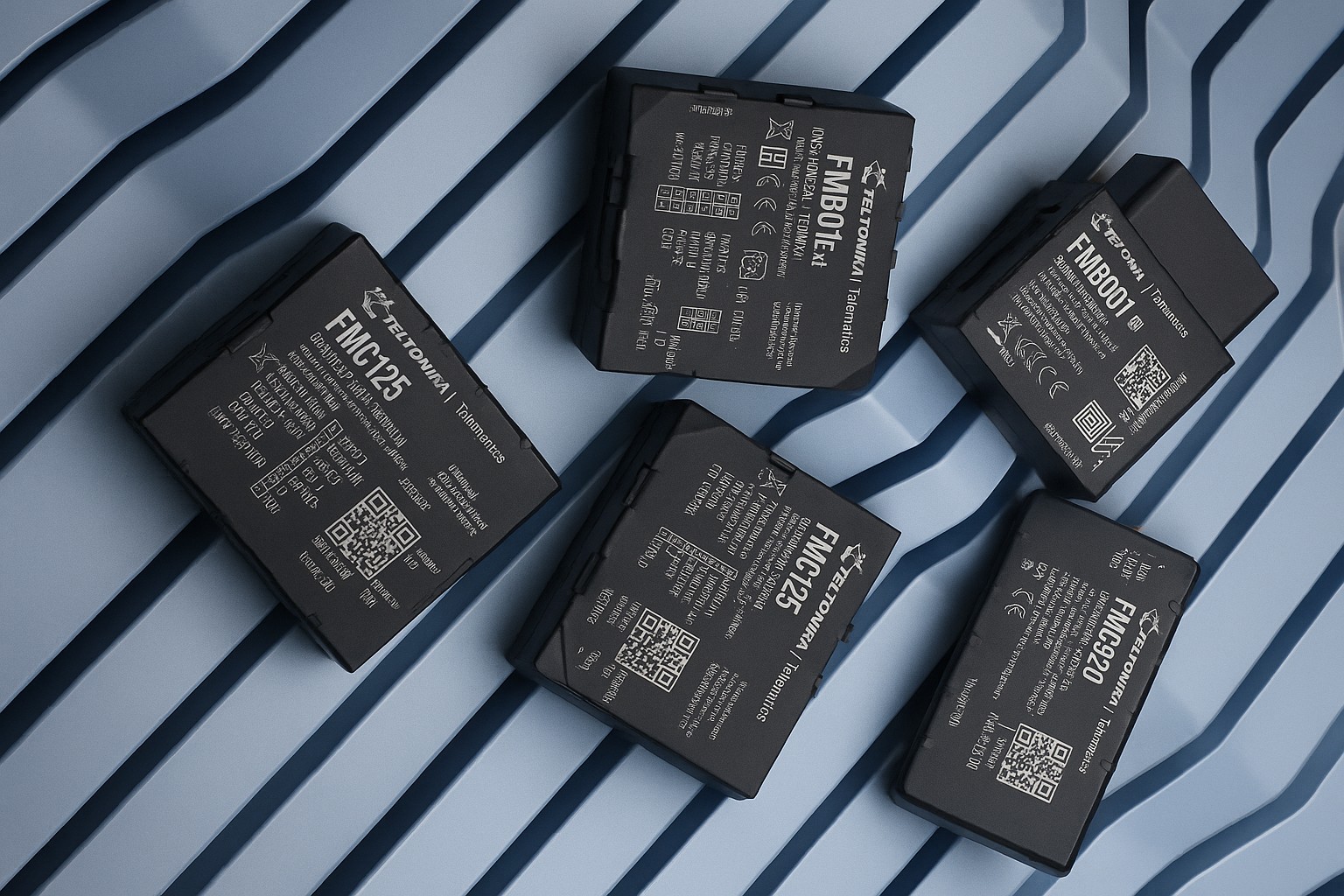
This glossary brings together the terms customers see most often across Aether's GPS tracking, fuel monitoring, telematics, and fleet management content. Use it as a quick reference, then continue into the blog archive when you want deeper examples and use cases.
Alerts are automated notifications triggered by events such as unusual fuel changes, boundary breaches, ignition activity, or movement exceptions. They help site teams react faster instead of waiting for end-of-day reports.
Asset tracking is the process of monitoring equipment and mobile assets through connected devices, transmission hardware, and cloud software. It gives operators real-time visibility into location, movement, and usage.
Draining refers to fuel removal or fuel-level drops that cannot be explained by normal engine use or verified refueling activity. In monitored fleets, draining patterns are reviewed against sensor data, movement, and event timing.
Fleet management software is the dashboard layer that combines trips, alerts, reports, analytics, and asset history in one place. It turns incoming hardware data into daily operational visibility for fleet teams.
A fuel monitoring system measures fuel level changes in real time to control theft, detect wastage, and improve accountability. It typically combines a fuel sensor, a compatible GPS device, and reporting software.
A fuel sensor is the hardware component that measures diesel level changes inside a tank. It is used to detect refueling, draining, and abnormal consumption patterns with better accuracy than manual logs alone.
Fuel tank calibration is the process of mapping tank height or sensor values to actual fuel volume. Accurate calibration is critical because even the best sensors and reports depend on a reliable conversion table underneath.
Geofencing means creating virtual boundaries around yards, projects, depots, or approved routes. The system can then raise alerts or generate reports when vehicles enter, exit, or deviate from those zones.
GPS tracking uses location hardware and software to show where an asset or vehicle is in real time. It helps teams monitor live position, trip status, movement history, and route behavior.
Idle analysis reviews how long engines remain running without productive movement or work output. It is commonly used to identify wasted fuel, improve operator behavior, and uncover avoidable operating cost.
An ignition report shows when a vehicle or machine was turned on or off, including timing, duration, and nearest location. It helps teams understand availability, activity windows, and off-shift usage.
A movement report breaks working operation into motion stages, standstills, addresses, and durations. It is used to verify trip tickets, review utilization, and understand how an asset actually worked through the day.
Pilferage is the recurring loss of fuel or other valuable material through theft, diversion, or weak controls. In Aether content, it usually refers to hidden fuel loss that becomes visible only after monitoring and reconciliation.
Refueling is the addition of fuel to a vehicle, machine, or generator and should appear as a measurable tank-level increase. In monitored operations, refueling events are checked against slips, timestamps, and sensor evidence.
Route optimization is the practice of improving routes to save time, distance, and fuel. It is often paired with telematics data so dispatch and field teams can reduce avoidable movement and improve fleet efficiency.
Telematics combines GPS location, sensor inputs, and vehicle or asset data into one connected operating view. It is the foundation for live tracking, reports, alerts, and performance analysis.
Utilization describes how effectively vehicles or equipment are being used compared with the time and fuel available to them. Higher utilization usually means more productive hours, less idle waste, and better asset planning.
Vehicle tracking is the live map-based visibility of where a vehicle is, how far it has travelled, and how it is behaving on route. It often includes supporting data like speed, movement history, ignition status, and battery health.
Once you know the terms, these pages show how the concepts play out in real fleets and project environments.
Whether you are exploring telematics, fuel control, or asset visibility, Aether can help you translate the terminology into the right rollout plan for your sites and fleets.