Water Tanker
Water tankers built on commercial truck chassis for construction, road work, dust suppression, and site-water distribution. Read More
List of Water Tankers
Other Categories
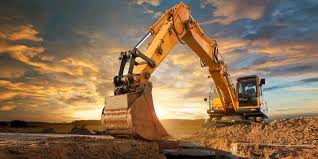
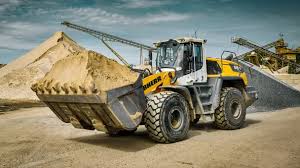
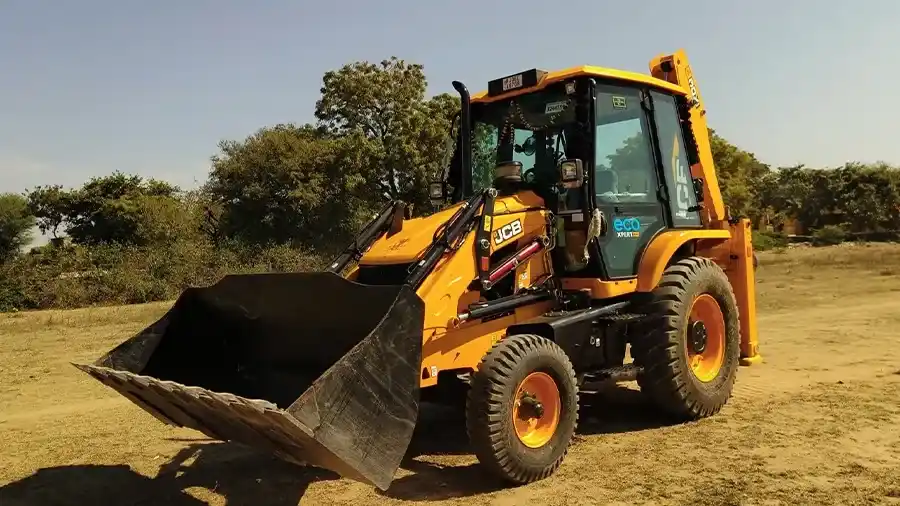
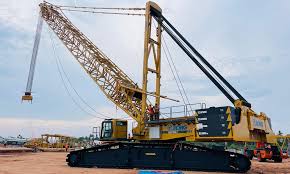
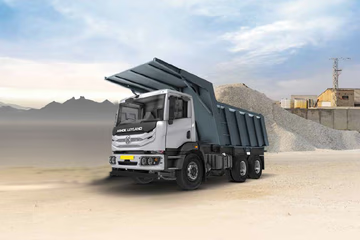
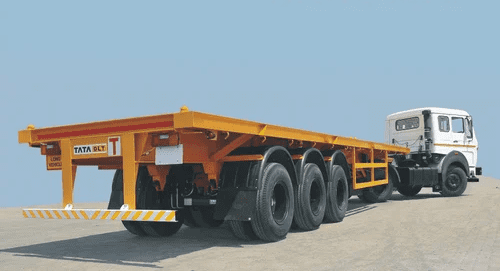
Related Machinery Categories
Review adjacent vehicle and monitoring categories often evaluated with water tankers during fleet and site planning:
On Aether, water-tanker listings support early research and equipment benchmarking. Teams can compare chassis GVW, engine power, wheelbase, fuel capacity, tanker compatibility, and operating suitability alongside monitoring needs such as route tracking, fuel monitoring, location history, alerts, and maintenance planning. Asset owners can also use these pages as a starting point before requesting demos, comparing deployment options, or planning fleet digitization.
How to Compare Water Tanker Models
Choosing a water tanker starts with the approved chassis GVW, wheelbase, engine output, gradeability, turning circle, tyre configuration, and intended site conditions. The fabricated tank must then be evaluated separately for capacity, material, mounting, axle-load distribution, pump, PTO, valves, spray bars, hoses, and safe access.
For construction sites, road projects, mines, plants, and municipal work, selection is more reliable when chassis specifications and body-fabrication details are reviewed together. Fleet managers can use route history, trip data, fuel consumption, engine hours, and maintenance records to plan deployment with better control.
On Aether, water-tanker listings support early research and equipment benchmarking. Teams can compare chassis GVW, engine power, wheelbase, fuel capacity, tanker compatibility, and operating suitability alongside monitoring needs such as route tracking, fuel monitoring, location history, alerts, and maintenance planning. Asset owners can also use these pages as a starting point before requesting demos, comparing deployment options, or planning fleet digitization.
- Compare GVW, wheelbase, engine power, torque, gradeability, turning circle, tyres, and fuel-tank capacity.
- Verify water-tank capacity, material, mounting, axle loads, pump, PTO, discharge equipment, and maintenance requirements before deployment.
- Use route, trip, location, engine-hour, and fuel-monitoring data to improve reliability and accountability across sites.