Motor Grader
A self-propelled grader used to cut, spread and level material to fine tolerances, most often for road formation, sub-grade preparation and haul-road maintenance at construction and mining sites. Read More
List of Motor Graders
Other Categories
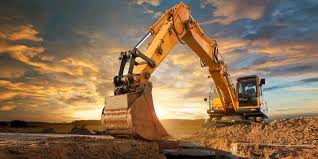
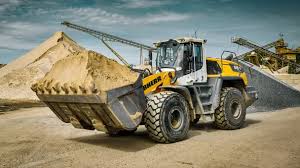
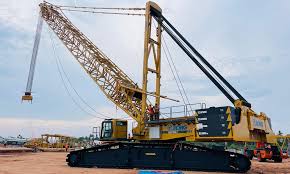
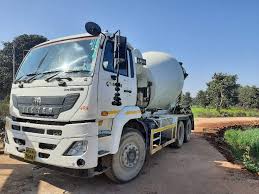
Related Machinery Categories
Review adjacent categories often evaluated with motor graders during fleet planning:
Frequently Asked Questions
Everything you need to know about the BEML BG605I Motor Grader
How to Compare Motor Grader Models
Choosing the right Motor Grader depends on more than model name or upfront price. Project teams should compare blade width, engine performance, operating weight, duty cycle, fuel usage, service access, and how the equipment will be deployed across sites. A practical shortlist should also consider operator familiarity, spare availability, expected utilization, and whether the machine can be monitored through GPS and fuel tracking systems.
For road construction, mining, infrastructure, and haul-road maintenance work, equipment selection becomes easier when specifications are reviewed alongside real operating data. Fleet managers can use telematics, engine-hour history, idle time, and fuel consumption patterns to understand whether a grader is productive, underused, or costing more than expected. This helps teams plan procurement, rental decisions, maintenance schedules, and asset movement with better control.
On Aether, Motor Grader listings are organized to support early research and equipment benchmarking. Teams can review model details, compare practical operating factors, and connect equipment decisions with monitoring needs such as utilization tracking, location history, engine-hour visibility, fuel monitoring, and maintenance planning. Asset owners can also use these pages as a starting point before requesting demos, comparing deployment options, or planning fleet digitization.
- Compare key specifications such as blade width, power, dimensions, and operating weight.
- Review fuel efficiency, utilization, and maintenance needs before deployment.
- Use tracking and fuel monitoring data to improve accountability across sites.