Trench Cutters
Trench cutter systems for diaphragm-wall excavation combine a base carrier, a cutting attachment and a hose-management arrangement. Compare the Bauer MC 86 carrier data and HTS/HDS configuration references separately. Read More
List of Trench Cutter Systems
Other Categories

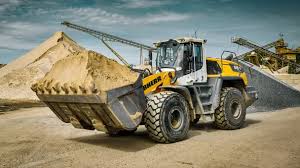
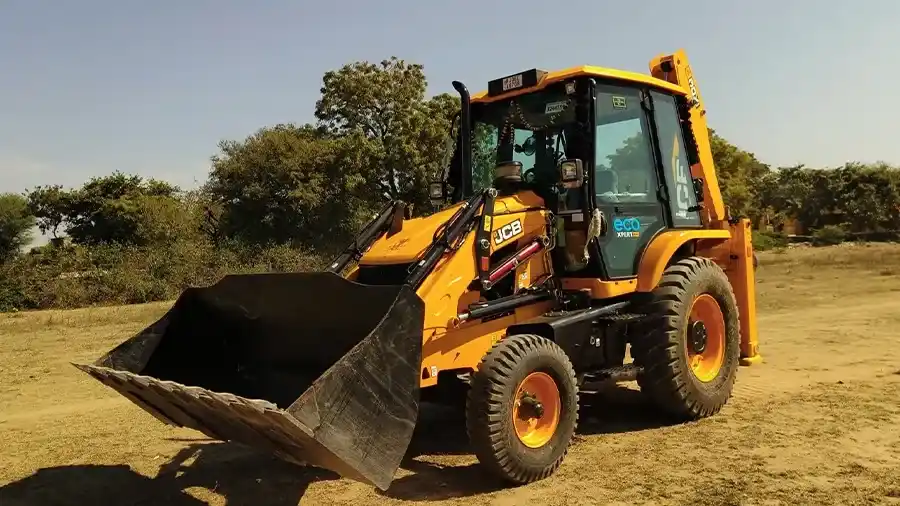
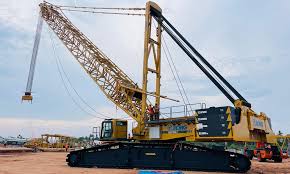
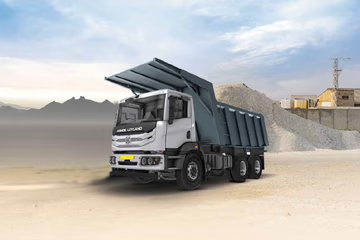
Related Machinery Categories
Review adjacent categories often evaluated with trench cutter systems during fleet planning:
On Aether, trench cutter listings are organized to support early research and equipment benchmarking. Teams can review model details, compare practical operating factors, and connect equipment decisions with monitoring needs such as utilization tracking, location history, engine-hour visibility, fuel monitoring, and maintenance planning. Asset owners can also use these pages as a starting point before requesting demos, comparing deployment options, or planning fleet digitization.
How to Compare Trench Cutter Systems
Start with the required diaphragm-wall depth and cutting width. Verify the exact cutter model, hose-management system, permissible suspended load and carrier configuration together. A carrier model name alone does not establish these values.
The MC 86 brochure lists HTS 38, HTS 50 and HDS 100 as alternatives. The 100 m maximum depth reference belongs to HDS 100; it is not a standard rating for every MC 86 setup. Confirm cutting width from the fitted BC cutter documentation.
Compare confirmed manufacturer specifications and distinguish carrier data from configuration-dependent cutting data. Always check the documentation supplied with the individual machine before deployment.
- Review engine, hydraulics, winches, undercarriage and counterweight arrangement.
- Confirm the BC cutter model, cutting width and HTS/HDS setup together.
- See the Bauer MC 86 system specifications for the brochure values and configuration notes.