



SANY SY140C-9S Maintenance Checklist
Daily pre-start checks · Service schedule by hours · Warning alert actions — tunnel-environment specific guidance
Daily Pre-Start Checklist
Complete all checks before every shift. In tunnel environments, a breakdown inside the heading is significantly harder and more dangerous to address than on surface.
Engine Oil & Coolant
Check oil dipstick — oil must be between MIN and MAX marks. Check coolant header tank level. Check for leaks or abnormal noise.
Act if: below MIN, white foam in oil (coolant mixing), or any active leak — do not start.
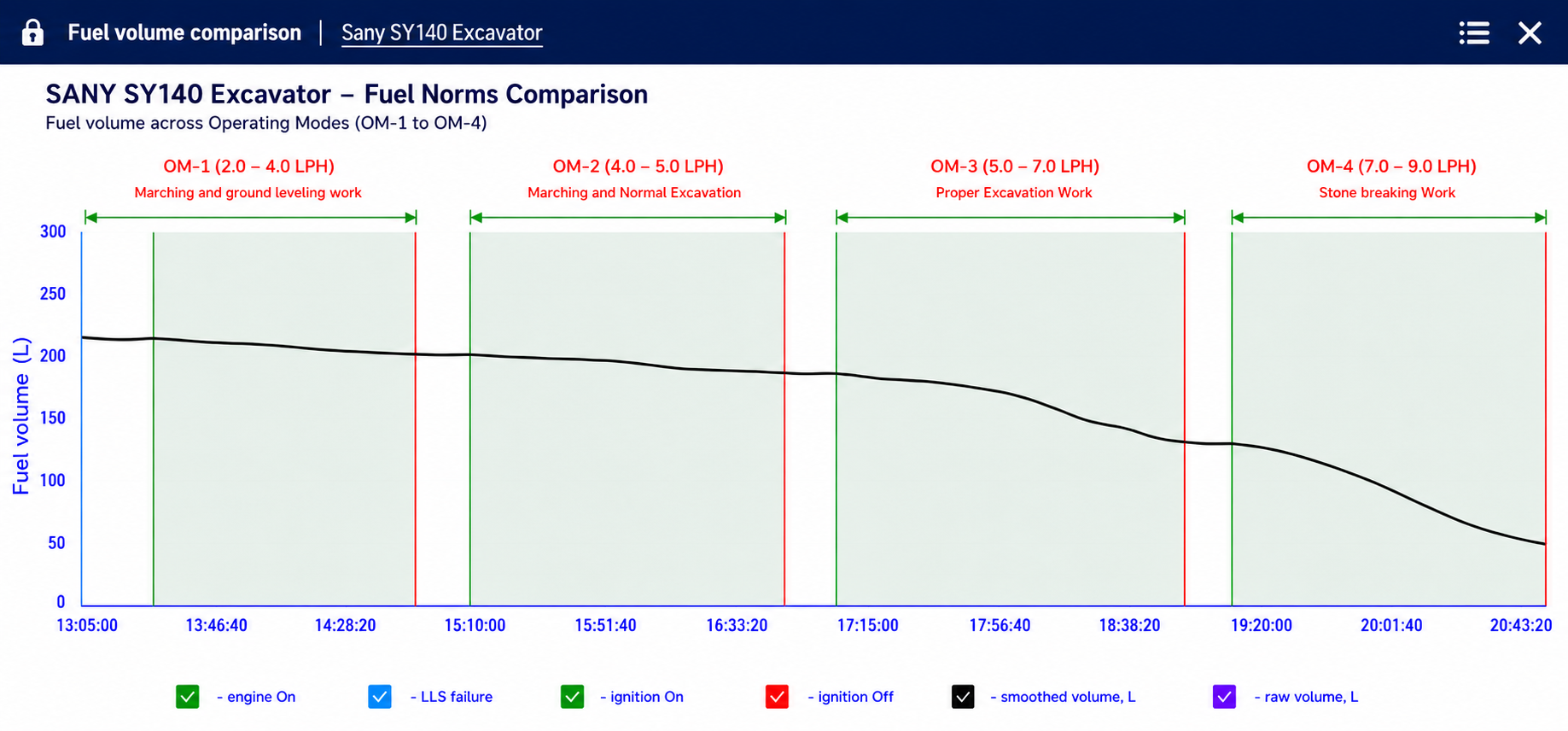
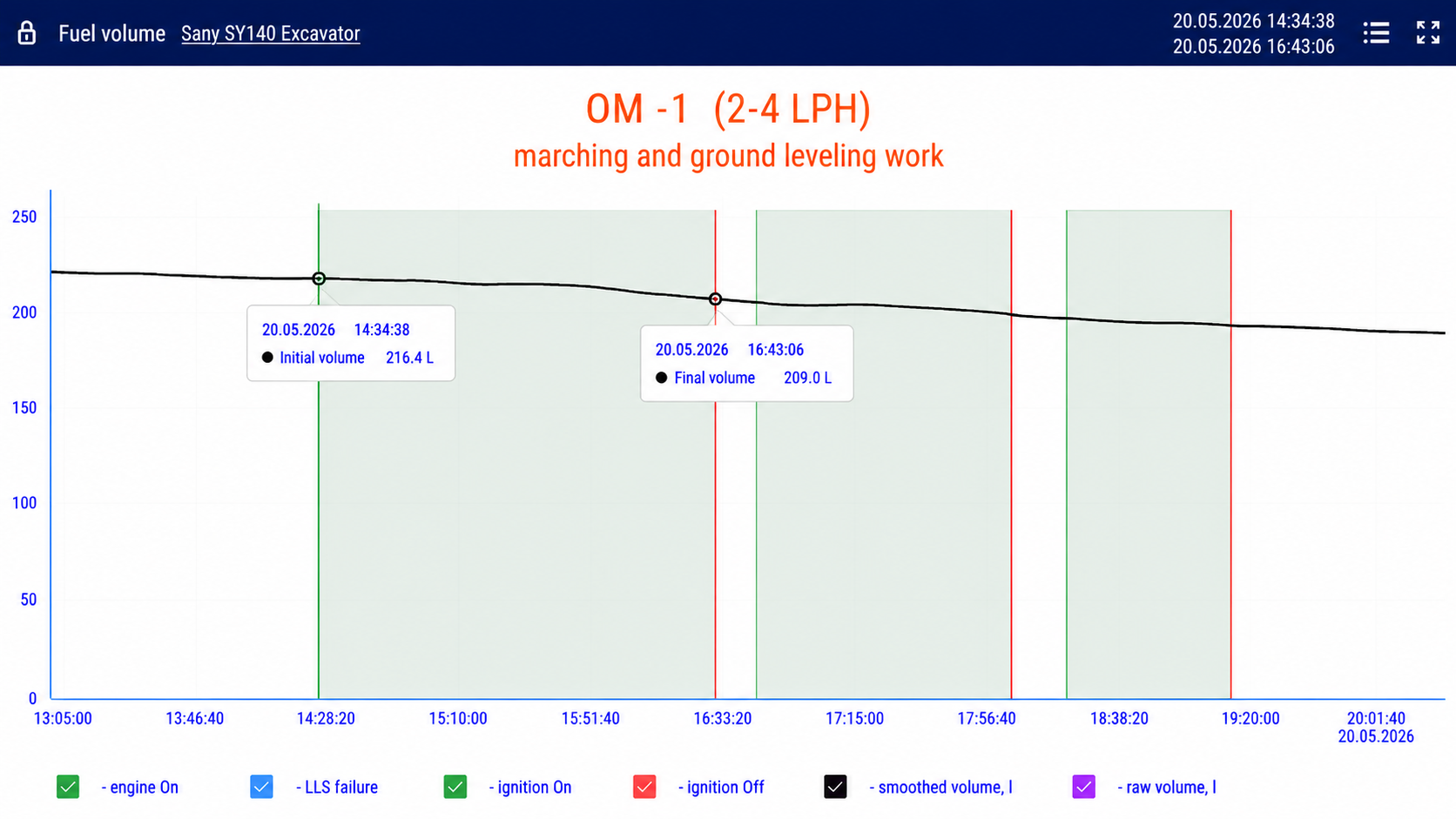
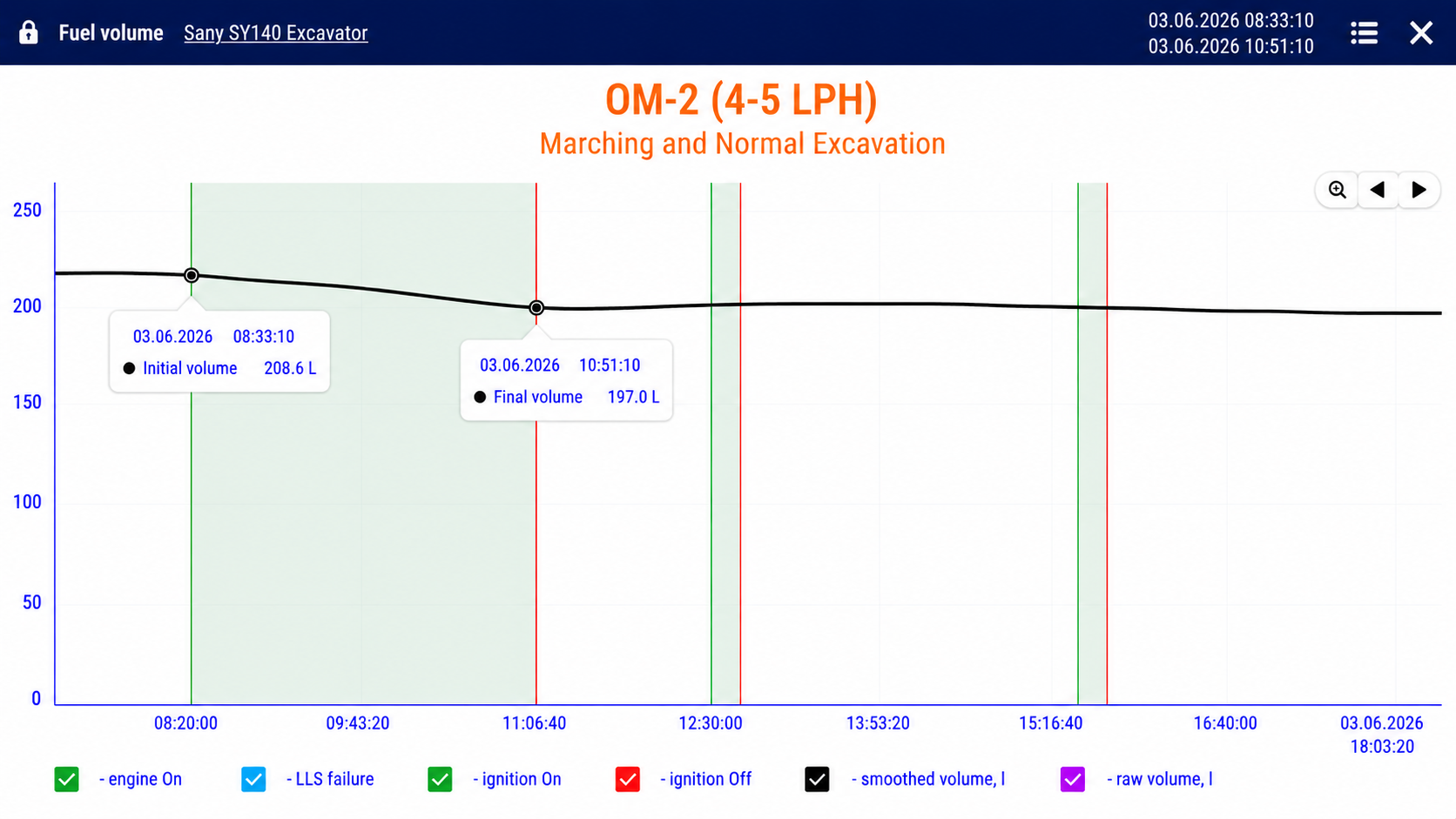
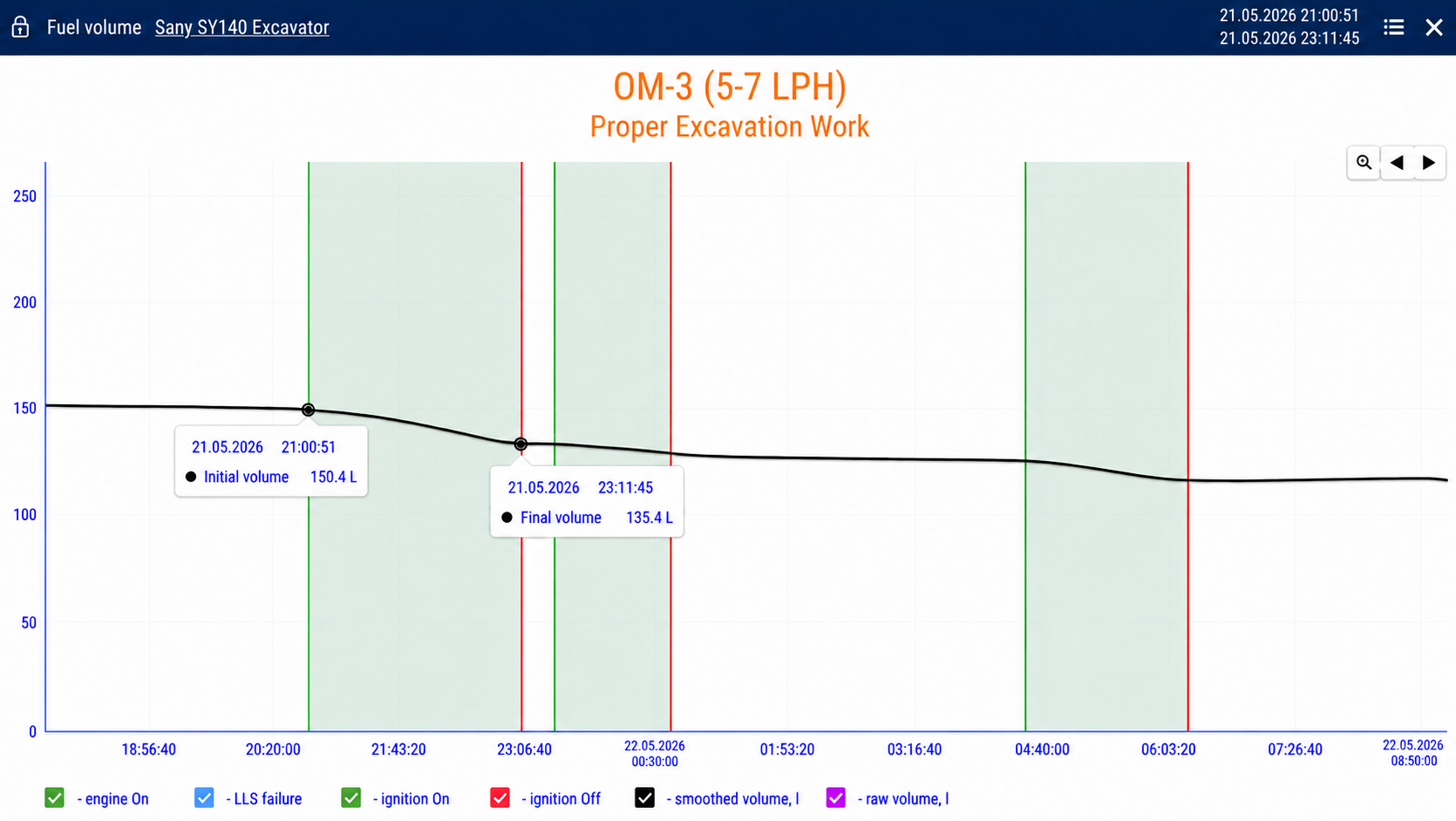
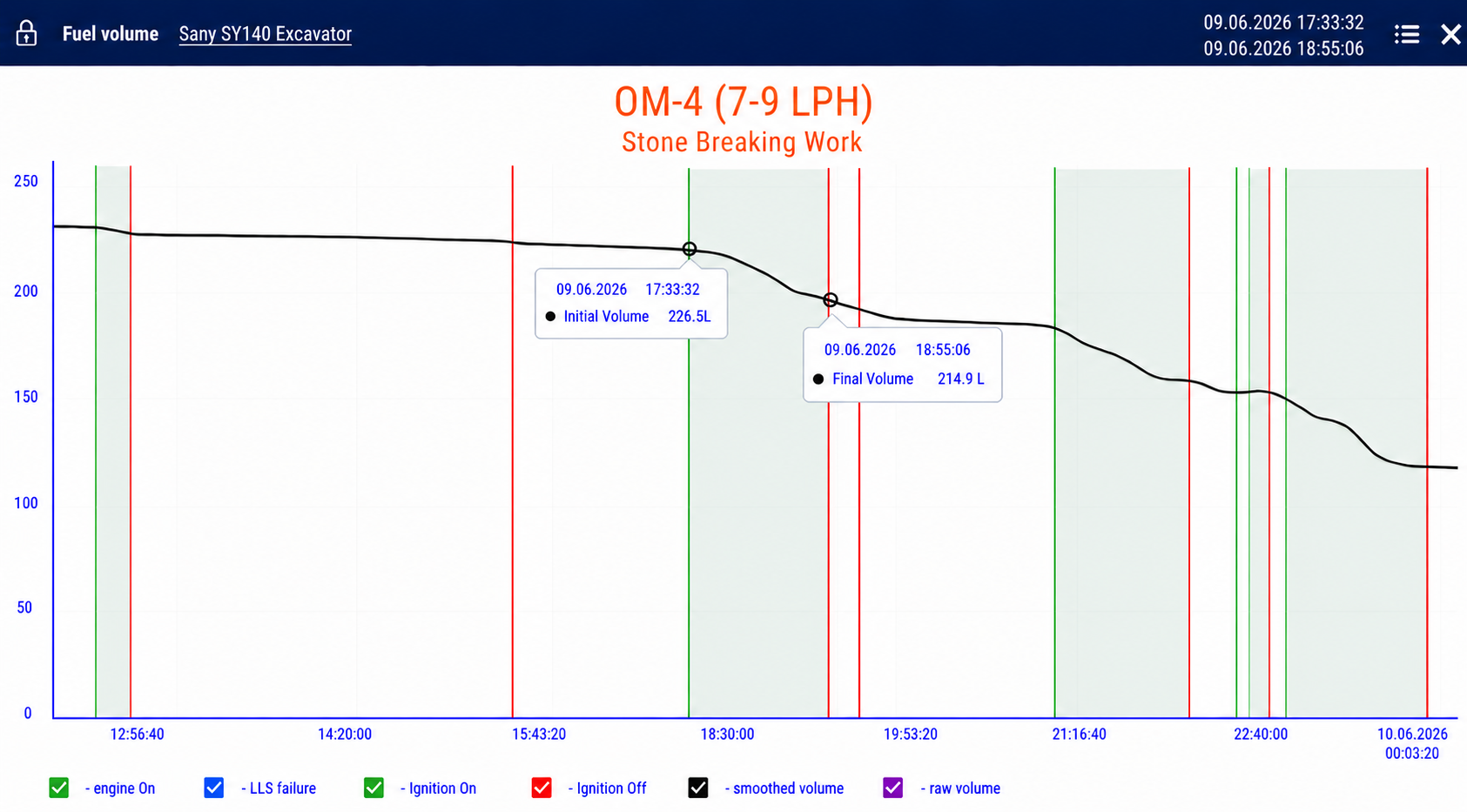
Fuel Level
Check gauge. Fill before tunnel entry. Check water separator sight glass — drain if water visible.
Act if: low — refuel at surface. Never enter a tunnel with a low fuel gauge (270 L tank).
Air Filter
Check restriction indicator — green = OK, red = replace before starting. Critical in rock dust tunnel environments.
Act if: red indicator — replace element before starting. Do not run a blocked filter in a tunnel.
Hydraulic Oil
Check sight glass on hydraulic tank — oil must be visible. Inspect hoses and cylinders for leaks or damage.
Act if: below visible range or milky white (water contamination) — serious problem, do not operate.
Track Tension
Check track sag — 10 to 30 mm mid-span. Adjust via track greasing valve. Clear stone packing from rollers.
Act if: sag out of range or stone packing present — adjust before operating.
Bucket & Pins
Check bucket pin and linkage pins for wear and security. Check bucket cylinder rod for scratches.
Act if: excessive pin movement or scratched cylinder rod — repair before use.
Cabin Guard (FOPS)
Inspect front and top cabin guard for cracks, bending, or loose bolts.
Do not operate in tunnel without an intact guard. Any damage must be repaired before tunnel entry.
Greasing
Apply grease gun to ALL pivot pins — boom, arm, bucket, linkages. Apply until old grease visibly exits the joint.
Every shift — no exceptions. If no old grease is coming out, keep applying.
Lights & Horn
Test all working lights — essential for tunnel operation. Check horn function.
Act if: any light failure — do not enter tunnel without full lighting.
DOMCS Controller
Check instrument panel for fault codes. Note all active codes and report before operating.
Act if: any red fault code active — report to workshop before operating.
Battery
Check terminals for corrosion or loose connections. Clean with baking soda solution if corroded. Tighten.
Act if: heavy corrosion or loose terminals — clean and tighten before starting.
Undercarriage
Walk around — check for stone packing in track rollers. Inspect for missing or cracked track shoes.
Act if: stone packing present or cracked track shoes found — clear/replace before operating.
Service Schedule by Hourmeter
Select a service interval to see what tasks are due. CHANGE = fluid/filter change CHECK = inspect or verify.
Engine oil & filter
Change engine oil and oil filter — initial break-in service
Hydraulic return filter
Change hydraulic oil return filter
Fuel filter
Change fuel filter
All fluid levels
Check and top up as required
Major fasteners torque
Torque check — boom foot pins, arm pins, engine mounts, track shoe bolts
Track tension
Check and adjust
Engine oil & filter
Replace engine oil and oil filter; check belt tension and alternator output
Air filter primary element
Clean or replace; inspect intake ducting for cracks
All fluid levels
Check hydraulic, coolant, fuel levels
Hoses & cylinders
Inspect for leaks, swelling, or abrasion
Rollers, idlers & track shoes
Inspect condition; check swing reduction gear oil level
Engine oil & filter
Replace engine oil and oil filter; check belt tension and alternator output
Fuel filter element
Replace; inspect fuel lines and tank breather
Air filter primary element
Replace; inspect intake ducting for cracks
Hydraulic return-line filter
Replace
Hydraulic oil condition
Inspect for contamination, discolouration or emulsification; sample if needed
Sprocket wear & idler condition
Inspect
Travel device oil levels
Check — 2.22 L each side
Engine oil, fuel filter & air filter
Replace oil, fuel filter and air filter (primary + safety element); check belt and mount condition
Air filter safety element
Replace — never clean, always replace
Valve clearances
Check and adjust — Cummins B3.9 standard interval
Hydraulic pressure filter
Replace; inspect pump and motor for leaks
Swing device gear oil
Change — 3 litres
Travel device gear oil
Change — 2.22 litres each side
Full undercarriage inspection
Measurement — rollers, idlers, sprockets, track shoes
Boom, arm & bucket pins
Inspect all pivot pins and bushings; measure wear; replace as needed
Engine oil, fuel & air filters
Replace; check belt and mount condition
Injectors
Inspect; replace if wear or spray pattern is outside specification
Coolant
Replace; pressure-test cooling system and radiator cap
Hydraulic oil — full drain
Full drain and refill (150 L tank / 120 L refill); flush and clean tank and strainer
Return-line & pressure filters
Replace both filters
Swing ring gear & bearing
Full inspection; re-torque mounting bolts to OEM specification
Boom, arm & bucket pins
Full pin and bushing inspection — measure wear and replace as needed
Gearbox oil
Replace; check differential operation
Full structural inspection
Boom sections, undercarriage frame and main frame welds
Warning Alerts & Immediate Actions
Indicators appear on the DOMCS instrument panel. Every operator must know the correct response — a breakdown inside a tunnel heading is a serious safety and logistics problem.
Engine Oil Pressure Low
Oil pressure has dropped — metal-to-metal contact occurring inside the engine.
Immediate action: STOP ENGINE IMMEDIATELY. Do not restart. Check oil level. Call workshop before restarting.
Risk if ignored: complete engine seizure — irreversible damage.
Engine Overheating
Coolant temperature has exceeded safe limit. Engine at risk of thermal seizure.
Immediate action: STOP MACHINE. Move out of tunnel if possible. Stop engine. Let cool 30 minutes minimum. Check coolant, radiator, fan belt.
Risk if ignored: warped cylinder head, blown head gasket, seized engine.
Hydraulic Oil Temperature High
Hydraulic oil temperature is dangerously high. Seals and hoses can fail.
Immediate action: stop work, run engine at idle 5–10 minutes. Check hydraulic oil cooler for blockage. Shut down if temperature does not reduce.
Risk if ignored: pump seal failure, cylinder seal damage, control valve damage.
Air Filter Restriction
Air filter is becoming blocked. Engine receiving less air than required.
Immediate action: finish current cycle. Clean or replace air filter before continuing. Occurs frequently in tunnel dust conditions.
Risk if ignored: power loss, black smoke, overheating, injector damage.
Fuel Level Low
Fuel tank approaching empty.
Immediate action: exit tunnel to refuel at designated surface fuel point. Do not run out inside a tunnel — machine becomes an obstruction.
Risk if ignored: machine stranded inside tunnel heading — serious safety and logistics problem.
Hydraulic Oil Level Low
Hydraulic oil below minimum level.
Immediate action: stop work. Inspect hoses and cylinders for leaks. Top up. Identify and repair the source before continuing.
Risk if ignored: pump starvation, cavitation damage, complete hydraulic failure.
Battery Charge Low
Alternator not charging the battery.
Immediate action: check alternator belt condition. Check battery terminals. If belt broken — stop immediately, engine will overheat within minutes.
Risk if ignored: machine will not restart — battery dies inside tunnel.
DOMCS Fault Code
Controller has detected a system fault. Fault code appears on the display.
Immediate action: record fault code number. Refer to SANY DOMCS fault code table. Report to workshop. Do not continue with an undiagnosed red fault code.
Risk if ignored: undiagnosed faults can escalate to component failure inside the tunnel.
 Dig. Depth
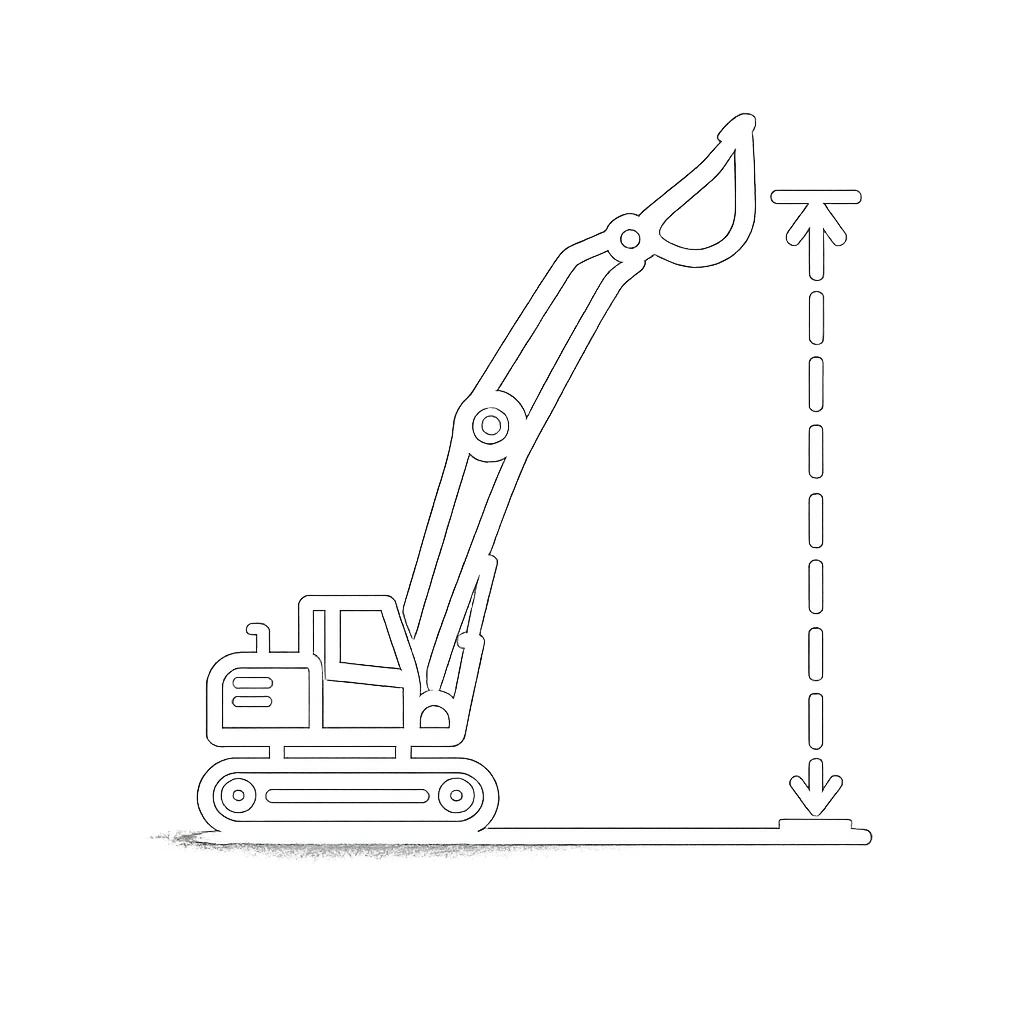
 Dump Height