Paver
Hydrostatic sensor pavers designed for accurate asphalt laying on roads, highways, and infrastructure projects. Read More
List of Pavers
Other Categories

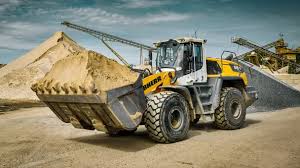
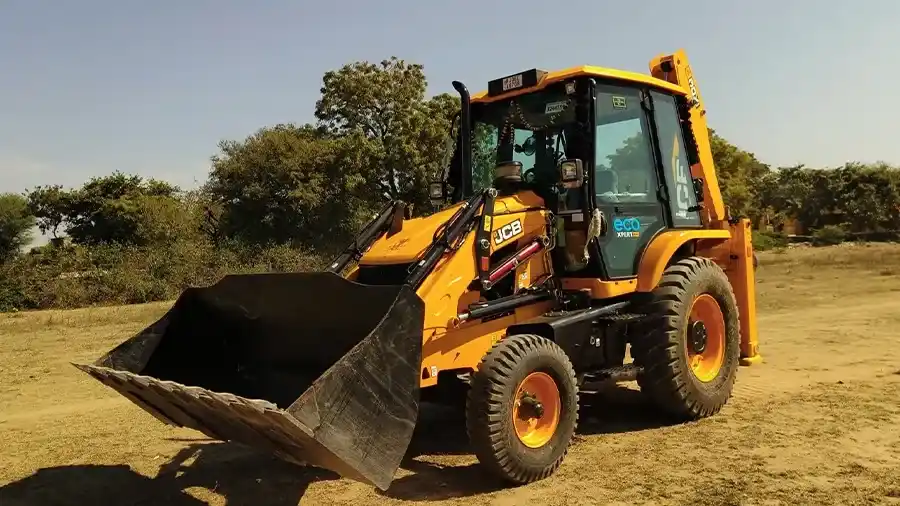
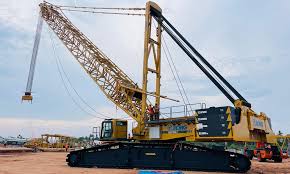
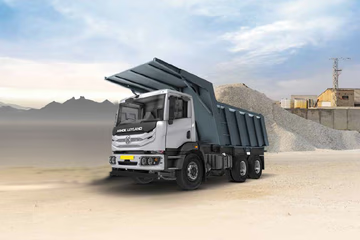
Related Machinery Categories
Review adjacent road-construction categories often evaluated with pavers during fleet planning:
On Aether, paver listings support early research and equipment benchmarking. Teams can compare paving width, laying capacity, operating weight, engine power, and job-site suitability alongside monitoring needs such as utilization tracking, location history, engine-hour visibility, fuel monitoring, and maintenance planning. Asset owners can also use these pages as a starting point before requesting demos, comparing deployment options, or planning fleet digitization.
How to Compare Paver Models
Choosing the right paver depends on paving width, laying capacity, screed configuration, operating weight, hopper capacity, engine power, and the required mat thickness. Project teams should also compare paving speed, transport dimensions, operator visibility, service access, and compatibility with grade-and-slope control systems.
For highway, urban-road, airport, and infrastructure work, equipment selection becomes more reliable when specifications are reviewed alongside operating data. Fleet managers can use telematics, engine-hour history, idle time, fuel consumption, and maintenance records to understand productivity and plan deployment with better control.
On Aether, paver listings support early research and equipment benchmarking. Teams can compare paving width, laying capacity, operating weight, engine power, and job-site suitability alongside monitoring needs such as utilization tracking, location history, engine-hour visibility, fuel monitoring, and maintenance planning. Asset owners can also use these pages as a starting point before requesting demos, comparing deployment options, or planning fleet digitization.
- Compare paving width, laying capacity, paving thickness, engine power, and operating weight.
- Review screed configuration, paving speed, fuel use, utilization, and maintenance needs before deployment.
- Use tracking, engine-hour, and fuel-monitoring data to improve accountability across road projects.